

























































What is Data Science with Example
Learn what Data Science is, how it works, and real-life examples. Gain key skills, tools, and insights to turn data into smart decisions.


Data science has been shown to me to convert unprocessed data into insights that may be used to make better decisions. I help with identifying trends that improve operations and customer experiences by fusing my knowledge in statistics, machine learning, and data-driven problem solving.
I'll explain to you the basics of data science, its components, and some practical examples. In today's constantly developing digital world, I want to help you understand how data may be used to solve issues, predict trends, and make wise decisions.
What is Data Science?
The multiple fields of data science combine scientific techniques, tools, and algorithms to extract valuable insights from both structured and unstructured data. To put it simply, it involves extracting knowledge and patterns from data.
In contrast to traditional data analysis, it works with huge quantities of data, sometimes referred to as "big data," and makes predictions and judgments using modern techniques like artificial intelligence and machine learning.
Why is Data Science Important?
Businesses create huge amounts of data in the rapidly growing world of today. However, without the appropriate resources and expertise, this data is meaningless. It is crucial because it benefits businesses in the following ways:
-
Make informed choices: Businesses can predict consumer behaviour, industry trends, and product needs.
-
Optimize operations: This lowers expenses and streamlines procedures.
-
Improve customer experiences: Data insights enable more individualized suggestions, focused advertisements, and improved services.
-
Detect risks and fraud: This is used by banks and insurance providers to identify hazards and stop financial fraud.
To put it briefly, it transforms unprocessed data into insightful knowledge that can drive development and creativity.
Components of Data Science
This is a combination of several areas rather than a single expertise. Let's review the key elements:
1. Data Collection
Data collection is the first step in this. Data may originate from some sources, including:
-
Social media platforms
-
Websites and online transactions
-
Sensors and IoT devices
-
Company databases
For instance, Amazon collects information about your searches, purchases, and browsing habits. This information serves as the basis for the analysis.
2. Data Cleaning
Rarely is raw data perfect. It frequently has mistakes, duplication, or missing values. In order to make the data usable, data cleaning involves correcting these problems.
For instance, inaccurate insights may result if a collection of customer emails has errors or duplicates. Cleaning guarantees the accuracy and dependability of the analysis.
3. Data Exploration
Exploration comes next after the data is clean. Here, data scientists analyze the relationships, trends, and patterns in the data using statistical methods and visualizations.
A retail business might, for example, investigate which products are most well-liked in a specific area or season. Charts, graphs, and summary statistics are frequently used in this step.
4. Data Analysis
Applying statistical techniques and algorithms to extract insights from data is known as data analysis. This step provides solutions to questions such as:
-
What factors influence sales?
-
Which customers are likely to churn?
-
How can we improve marketing campaigns?
For example, a telecom business may use data analysis to find that consumers who frequently have their calls dropped are more inclined to switch providers.
5. Machine Learning & Predictive Modeling
Machine learning is an essential component of it. It involves training computers to make predictions and learn from data.
For instance, Netflix recommends movies based on machine learning. The technology makes predictions about the shows you will probably like based on your viewing tastes and history.
6. Data Visualization
Visualization is the art of presenting data in a visual style like charts, graphs, and dashboards. Complex data can be easily understood with the help of an effective display.
For example, managers may immediately identify which goods are working well with the use of a sales dashboard that shows monthly revenue trends.
7. Decision Making
Finally, business decisions are based on data insights. Since generating value from data is the ultimate purpose of it, this step is essential.
For example, based on predicted sales, an online retailer may choose to carry more of a certain product during periods of high demand.
Real-Life Examples
Let's explore a few practical examples of how it affects our everyday lives:
1. Healthcare
Hospitals used to:
-
Predict disease outbreaks
-
Diagnose diseases using medical images
-
Personalize treatment plans
For example, machine learning algorithms are able to identify pneumonia more quickly than a human doctor by analyzing thousands of X-rays.
2. Retail
Retailers used to:
-
Predict customer preferences
-
Recommend products
-
Optimize pricing
For example, Amazon increases the possibility that you will purchase by making product recommendations based on your browsing history.
3. Finance
Banks and financial institutions used to:
-
Detect fraud
-
Assess credit risk
-
Predict stock market trends
For example, credit card companies can use predictive models to identify abnormal spending trends and stop fraud.
4. Social Media
It is used by social media sites like Twitter, Instagram, and Facebook to:
-
Suggest friends
-
Show relevant ads
-
Detect harmful content
For example, Instagram's algorithm uses your interactions and interests to determine which posts should show up in your feed.
5. Transportation
Ride-sharing companies like Uber and Ola used to:
-
Predict demand in different areas
-
Set dynamic pricing
-
Optimize routes
Example: Predictive modeling and real-time data analysis are used to determine surge pricing during peak hours.
Simple Example of Data Science in Action
Let's say you own a little internet clothing business. You collect the following information:
-
Customer age and gender
-
Purchase history
-
Browsing patterns
-
Feedback and reviews
Using this, you can:
-
Analyze client Behavior: Determine which age group makes the most purchases.
-
Predict trends: Determine which items might do well in the coming season.
-
Personalize marketing: By sending individualized offers to each customer.
-
Optimize inventory: Stock up on things that are likely to sell quickly.
By doing this, your store becomes more efficient, profits increase, and customers are happier.
Tools and Technologies Used
Data science uses several tools and technologies, such as:
-
Languages for Programming: Python, R, and SQL.
-
Tools for Data Visualization: Matplotlib, Power BI, and Tableau.
-
Big Data Technologies: Spark and Hadoop.
-
Libraries for Machine Learning: PyTorch, TensorFlow, and Scikit-learn.
-
Cloud Platforms: Amazon Web Services, Google Cloud, and Azure.
Anyone who wants to work as a data scientist must learn these tools.
Skills Required to Become a Data Scientist
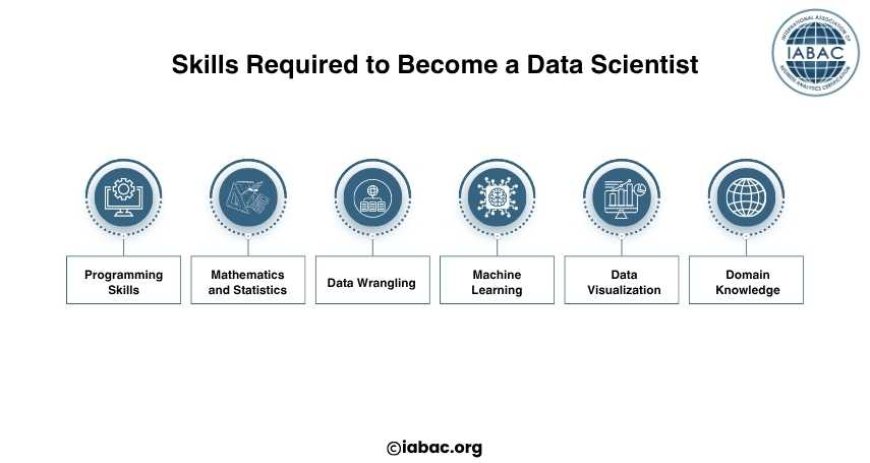
You need a combination of technical and analytical skills to be successful in data science:
-
Programming Skills: Python, R, and SQL.
-
Mathematics and Statistics: Hypothesis testing, regression, and probability.
-
Data Wrangling: Data organization and cleaning.
-
Machine Learning: Algorithms and predictive models.
-
Data Visualization: Effectively presenting insights.
-
Domain Knowledge: Being aware of the field in which you operate.
Because data scientists must communicate insights to stakeholders who are not technical, soft skills like communication, problem-solving, and critical thinking are also essential.
How to Get Started in Data Science
-
Learn the Fundamentals: Learn statistics, Python, and the fundamentals of data analysis first.
-
Practice on Real Data: Make use of public APIs, Kaggle datasets, or the UCI Machine Learning Repository.
-
Learn Machine Learning: Learn about methods such as linear regression, decision trees, and clustering.
-
Work on Projects: Create initiatives such as sentiment analysis, recommendation engines, and prediction of sales.
-
Become Certified: To prove your skills, think about earning professional certificates such as the Data Science Certification.
-
Stay Updated: This advances quickly, so constantly learning new methods and tools.
Decision-making in businesses and companies is changing as a result of this. Businesses can predict trends, streamline processes, and improve consumer experiences by collecting, reviewing, and interpreting data. It is used in many fields, including healthcare, banking, retail, and social media, to improve the intelligence and efficiency of our daily lives.
Getting practical experience and earning a professional certification, such as the Data Science Certification, will help you stand out in the competitive market if you are interested in entering a career in this industry.
This is about using data to solve real-world problems, not just about numbers. Gaining knowledge of it may lead to a plethora of chances for anyone, be they a professional, student, or business owner.