

















































Is Data Analytics a Good Career Choice for the Future?
Is data analytics a good career for the future? Learn about job demand, salaries, skills, growth, and long-term career opportunities.


One of the most popular professional options nowadays is data analytics. But is it really a wise decision for the future, particularly if you want a long-term profession that pays well, allows for advancement, and remains current?
The short answer is that choosing a career in data analytics is not only an excellent choice, but it's also one of the best options available in the present job market. But you have to look behind the hype if you want to know why.
What Is Data Analytics?
Data analytics refers to the process of interpreting raw data to extract useful insights that help businesses make smart decisions.
Imagine a company that wants to know:
-
Which product do customers buy the most
-
Why do some customers leave without buying
-
What marketing campaign worked best
All of this information comes from data. But data in its raw form, like numbers and logs, doesn’t tell a story. That’s where a data analyst comes in. The analyst uses statistical tools, software, and logical thinking to turn data into useful insights that people can understand and act on.
In short:
Data analytics turns numbers into insights, and insights into action.
Why Data Analytics Matters
It matters for one simple reason: every organization collects data, but only a few know how to use it effectively.
Here are key reasons why it is essential:
1. Businesses Make Better Decisions
Businesses no longer depend on intuition when making decisions. To select strategies for marketing, cut expenses, improve consumer satisfaction, and increase sales, they depend on data.
2. Data Is Everywhere
Every second, data is created at an unprecedented rate from phones and applications to social media, customer interactions, and corporate processes.
This trend is growing rather than slowing down.
3. Competitive Advantage
Businesses that use this can outperform competitors by gaining a quicker and more accurate grasp of market conditions, customer behaviour, and trends.
Job Outlook & Future Demand
Job growth is one of the most important signs that data analytics is a good career choice.
High Industry Demand
These roles are expected to grow significantly faster than average job growth in other fields. For example:
-
The U.S. Bureau of Labor Statistics projects growth of over 30% in analytics-related roles over the next decade, much faster than the average across all jobs.
-
Many reports show a persistent shortage of data professionals, meaning demand is higher than supply.
This means jobs in this field are not only increasing, but they are in high demand across industries like finance, healthcare, retail, IT, and more.
Global Relevance
These days, data specialists are needed in almost every nation and sector, from startups to big companies.
Job opportunities are not restricted to any one area or industry since this is a universal field.
Salary Potential in Data Analytics
The potential salary is one of the main advantages of pursuing a profession in data analytics.
International Salary Trends
In the United States:
-
Average data analyst salaries are above $90,000, often reaching over $100,000 for experienced professionals.
In India:
-
Entry-level data analysts typically earn between ₹3.5–₹9 lakh per year
-
Mid-level professionals can earn ₹12–₹20 lakh
-
Senior or lead roles often exceed ₹25 lakh annually and sometimes much more.
These figures show strong earning potential, especially as you gain experience and advanced skills.
Growth With Experience
Your value increases with experience. Because data analysts have a direct impact on business choices and profitability, and because organizations reward that impact, salaries have increased significantly.
Industries That Use Data Analytics
Versatility is one of the main benefits of a job in data analytics.
Every industry needs experts in data analytics.
Here are some examples of how different industries use this:
1. Finance & Banking
-
Detect fraud
-
Manage risks
-
Understand customer spending behaviour
2. Healthcare
-
Predict patient trends
-
Improve treatment outcomes
-
Manage hospital operations more efficiently
3. Retail & E-commerce
-
Track customer preferences
-
Improve recommendations
-
Optimize inventory decisions
4. IT and Technology
-
Monitor user engagement
-
Study product performance
-
Improve digital platforms
5. Education and Government
-
Track student performance
-
Improve public services
-
Make data-driven policy decisions
Because of this diversity, you can work in a field that interests you, be it finance, health, entertainment, sports, or something else.
Types of Careers in Data Analytics
This isn’t a single job. It offers multiple pathways.
Here are some of the most common roles:

-
Entry-level role
-
Focuses on analyzing data and creating reports
-
Works closely with business stakeholders
-
Translates data insights into business strategy
-
Works with advanced techniques like machine learning
-
Predicts future trends
Analytics Consultant
-
Works with different companies to solve problems using data
-
Builds systems and infrastructure for storing and processing data
Each role has its own responsibilities and salary ranges, but all are growing in demand.
Skills You Need for a Successful Career
Because this is a skill-based field, your knowledge is more important than your educational background.
The following are critical skills that companies look for:
1. Analytical Thinking
You must be able to interpret data to solve real problems.
2. Tools & Software
Common tools include:
-
Excel
-
SQL
-
Tableau
-
Python or R
These tools help organize data, visualize insights, and make decisions.
3. Communication Skills
Great insights are only valuable if you can explain them clearly to others.
4. Domain Knowledge
Understanding the business or industry you work in makes your analysis much more impactful.
5. Curiosity & Learning Mindset
The field evolves quickly, so staying curious and continuing to learn is key.
Is Data Analytics Hard to Learn?
This is one of the most common questions from beginners.
The answer is no, it’s not too hard to learn if you take the right approach.
Here’s why:
-
Many tools (like Excel and SQL) are beginner-friendly
-
You don’t need advanced math to start
-
Real-world practice helps more than theory
-
Online resources and courses make learning accessible
Yes, senior positions could call for deep programming or analytical abilities, but you can start with basic tools and work your way up.
This is not a severe uphill battle from the start; instead, it is a learning process.
Data Analytics vs Other Tech Careers
Some people make comparisons between data analytics and digital marketing, cybersecurity, or software development.
This is what makes this special:
1. Lower Learning Barrier
You don’t need extensive coding to start.
2. Broad Industry Use
Every industry needs analytics, not just tech.
3. Strong Future Outlook
Compared to many other professions, such as typical IT roles, demand grows more quickly.
In contrast, this is still human-centric, careers are getting more automated, and decisions still need context, interpretation, and judgment.
Challenges in Data Analytics
No career is perfect, and this has its challenges, too.
Competition for Jobs
Particularly for entry-level positions, competition rises as more people enter the analytics field.
Strong portfolios and specific talents, however, can make you stand out.
Continuous Learning Required
Tools change rapidly. To remain competitive, you must keep learning new techniques.
Communication Can Be Hard
Sometimes explaining insights to non-technical teams is challenging, but this is also a strong differentiator once mastered.
Despite these challenges, most professionals find the career exciting and rewarding because data analytics directly impacts business decisions and strategy.
Real-World Problems Data Analysts Actually Solve
In real companies, data analysts work on questions like:
-
Why did sales drop in one city but grow in another?
-
Why do customers stop using an app after a few weeks?
-
Which marketing channel brings loyal customers, not just website visits?
-
Where are delays happening in operations, and what causes them?
These problems are not solved by tools alone. They require logical thinking, business understanding, and clear communication.
This shows that this is not just a technical job; it is a decision-support and problem-solving role.
How a Data Analytics Career Grows Over Time
A typical career path looks like this:
-
Early stage: Creating reports, dashboards, and basic analysis
-
Mid-level: Providing insights, working with managers, influencing decisions
-
Senior level: Driving strategy, leading teams, and shaping business direction
This growth path makes a long-term career, not a short-term trend.
Why Domain Knowledge Matters More Than Tools
While tools are important, domain knowledge often creates real career value.
For example:
-
A healthcare data analyst who understands patient workflows performs better
-
A finance analyst who understands risk and compliance stands out
-
A retail analyst who understands customer behaviour delivers stronger insights
Tools can be learned in months. Industry understanding builds experience and job security over time.
Can Automation Replace Data Analytics Jobs?
Many people worry that automation or advanced software might replace data analysts. This fear is often misunderstood.
Automation helps by:
-
Reducing repetitive tasks
-
Improving speed and accuracy
-
Handling large volumes of data
But automation cannot replace human judgment.
Businesses still need analysts to:
-
Ask the right questions
-
Interpret results correctly
-
Understand business context
-
Make ethical and strategic decisions
This makes data analytics resistant to automation, unlike many routine jobs.
What Experts and Reports Say About the Future
Industry reports and job predictions strongly support this as a future career.
-
Demand for data professionals is growing much faster than average jobs.
-
Salary trends show continuous growth globally.
-
Analytics roles are expanding into new areas like business intelligence and predictive modeling.
This means the future remains bright not just in a few years, but for decades to come.
Soft Skills Are a Major Career Advantage
Important soft skills include:
-
Clear communication
-
Explaining insights to non-technical teams
-
Data storytelling
-
Listening to business problems
Analysts who communicate well often move faster into leadership and strategic roles.
Tips to Start Your Career
Here’s a step-by-step plan:
1. Learn the Basics
Start with Excel, SQL, charts, and basic statistics.
2. Try Real Projects
Practice with real datasets, not just videos.
3. Build a Portfolio
Create dashboards, reports and share them online. This impresses employers more than certificates alone.
4. Get Certified
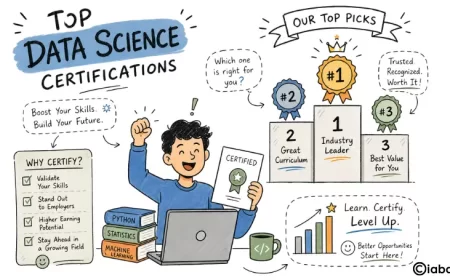
Certifications boost credibility, especially if you’re learning independently. A recognized program, Data Analytics certification helps you gain structured knowledge, validate your skills, and build trust with recruiters in a competitive job market.
5. Prepare for Interviews
Focus on real problems, not just tool knowledge.
Why Certifications Matter in a Competitive Market
As more people enter data analytics, standing out becomes important.
Certifications help by:
-
Validating your skills
-
Showing structured learning
-
Building recruiter confidence
This is why many professionals choose recognized certifications to strengthen their profiles.
Final Perspective Before Choosing Data Analytics
It involves more than just trends and tools. It concerns:
-
Understanding problems
-
Making informed decisions
-
Creating real business impact
It becomes a high-growth, future-proof career with the correct educational path and practical experience.
Yes, data analytics is an excellent career choice for the future.
It offers:
-
Strong and growing job demand
-
Good salary potential
-
Opportunities in many industries
-
A wide range of career paths
-
Flexibility to learn and grow
Data analytics can help you succeed in the long run if you're prepared to learn new things and keep up with trends.