




















































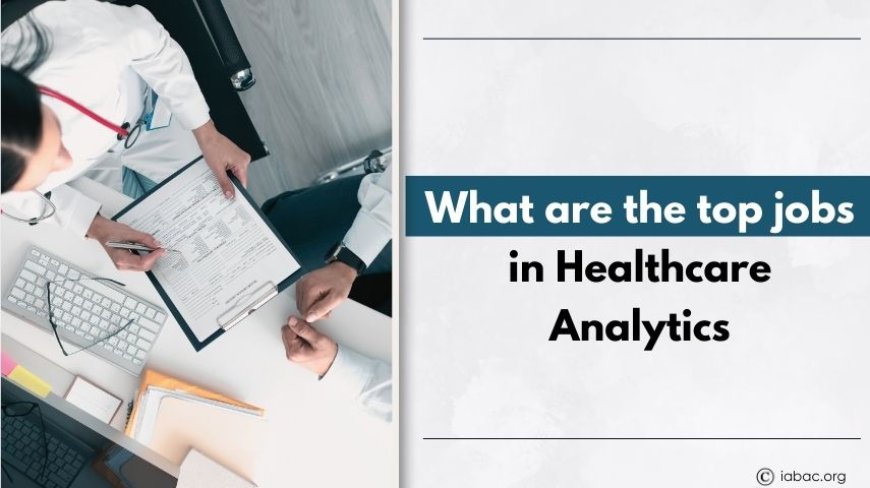
What are the top jobs in Healthcare Analytics
Learn about the top jobs that require healthcare analytics skills. From data analysts to healthcare consultants, find out where these skills are in demand.

When I started learning about Healthcare Analytics, I quickly saw how data can improve patient care and healthcare systems. Getting my Certified Healthcare Analytics Professional certification opened up many job opportunities in this field. Roles like healthcare data analysts, clinical data scientists, and health IT specialists are in demand. With Data Analytics Certifications becoming more important, I have seen how they help professionals stand out. It’s exciting to be part of a field where data is helping to improve healthcare every day.
What is Healthcare Analytics?
Healthcare Analytics means using data to improve medical services, reduce expenses, and improve patient care. Instead of just working with numbers, analysts help hospitals and other organizations make better decisions based on facts.
They analyze different types of data, such as:
- Patient records from hospitals
- Insurance claims and billing information
- Pharmaceutical research for medicine development
- Patient feedback from surveys and health apps
By studying this data, healthcare professionals can find ways to improve treatments, manage costs, and create better healthcare experiences.
Why Work in Healthcare Analytics?
A career in Healthcare Analytics comes with many benefits:
- High Demand – Healthcare jobs are expected to grow in the coming years.
- Good Salaries – The average salary for healthcare analysts is around $69,797, with experienced professionals earning more.
- Career Growth – You can work in hospitals, insurance companies, or pharmaceutical firms.
- Job Security – Healthcare is always needed, so jobs in this field remain stable.
Skills You Need
A blend of technical skills and industry knowledge is essential to work in Healthcare Analytics. Key technical skills include proficiency in SQL and Excel for managing and organizing data. Power BI or Tableau are important for creating insightful reports and dashboards. Programming languages such as Python or R are used for deeper data analysis and modeling. Additionally, a solid understanding of databases and data cleaning techniques is crucial to ensure data accuracy and reliability.
To work in Healthcare Analytics, you need both technical knowledge and industry experience.
Important Technical Skills:
- SQL and Excel for data management
- Power BI or Tableau for reports
- Python or R for data analysis
- Understanding of databases and data cleaning
Healthcare-Specific Knowledge:
A strong understanding of key healthcare components is essential in this field. Electronic Health Records (EHRs) are used to store and manage patient information digitally. Medical coding systems like ICD and HCPCS help classify diagnoses and procedures. Knowledge of healthcare laws such as HIPAA and GDPR ensures data privacy and compliance. Additionally, understanding insurance claims and billing processes is crucial for accurate reimbursement and financial operations in healthcare.
- Electronic health records (EHRs)
- Medical coding systems (ICD, HCPCS)
- Healthcare laws (HIPAA, GDPR)
- Insurance claims and billing processes
Soft Skills:
Soft skills are just as important as technical knowledge in healthcare data roles. The ability to explain complex data in simple, understandable terms is key when working with non-technical teams. Attention to detail and strong problem-solving skills help ensure accuracy and uncover meaningful insights. Teamwork and effective communication are also essential, as collaboration with healthcare professionals and stakeholders is a big part of the job.
- Ability to explain data in simple terms
- Attention to detail and problem-solving
- Teamwork and communication skills
Jobs That Need Healthcare Analytics

1. Healthcare Data Analyst
Healthcare Data Analysts study medical records and insurance data to find ways to improve patient care and hospital management.
Skills Needed: SQL, Excel, data visualization, understanding of medical coding
Certifications to Consider: Certified Healthcare Analytics Professional, Microsoft Certified: Data Analyst Associate
2. Clinical Informatics Specialist
This role connects healthcare staff with IT teams. They improve how hospitals use electronic health record (EHR) systems and patient data.
Skills Needed: EHR systems (like Epic), data management, healthcare regulations
Certifications to Consider: Clinical Informatics Board Certification, Certified Healthcare Analytics Professional
3. Population Health Analyst
Population Health Analysts study health data from large groups of people to find trends that help improve community health.
Skills Needed: Epidemiology, statistics, data analysis
Certifications to Consider: Certified Health Data Analyst (CHDA), Public Health Data Analytics certifications
4. Healthcare Consultant (Data-Focused)
Healthcare Consultants help hospitals and medical companies use data to improve patient care and business decisions.
Skills Needed: Business intelligence tools, project management, strong communication
Certifications to Consider: PMP, Certified Healthcare Analytics Professional
5. Health IT Project Manager
Health IT Project Managers lead teams that create data systems for hospitals and healthcare businesses.
Skills Needed: Leadership, analytics software, knowledge of healthcare rules
Certifications to Consider: Certified ScrumMaster (CSM), Certified Healthcare Analytics Professional
How to Start a Career in Healthcare Analytics
1. Get the Right Education
A degree in data science, healthcare information management, statistics, or computer science can help you start your career.
2. Earn a Certification
If you don’t have a degree, a certification can help. The International Association of Business Analytics Certifications (IABAC) offers programs in data analytics that are recognized by employers.
3. Gain Experience
Try internships or entry-level roles in hospitals, insurance companies, or research firms. Working on real projects will make it easier to get hired.
4. Keep Learning
Talk to experts, attend online webinars, and follow industry trends to stay updated. Learning new skills will help you grow in your career.
Key Takeaways
- Healthcare Analytics helps improve patient care, reduce costs, and make better medical decisions.
- It involves working with patient records, insurance claims, and medical research data.
- You need skills in SQL, data visualization, and healthcare regulations.
- A degree or a certification from IABAC can help you start your career.
- Real-world experience and continuous learning will help you succeed.
How to Get Started
If you are a student interested in this field, you can:
- Take courses in statistics, data science, or healthcare
- Look into Data Analytics Certifications, such as Google Data Analytics or SAS Health Analytics
- Work toward becoming a Certified Healthcare Analytics Professional to show your skills
Healthcare Analytics is an important part of modern healthcare. By learning these skills and getting certified, you can build a career that helps improve healthcare services and patient care. If you are studying healthcare, IT, or data science, Healthcare Analytics can help you find a rewarding career. Would you like help choosing a certification or career path? Feel free to ask in the comments!