



















































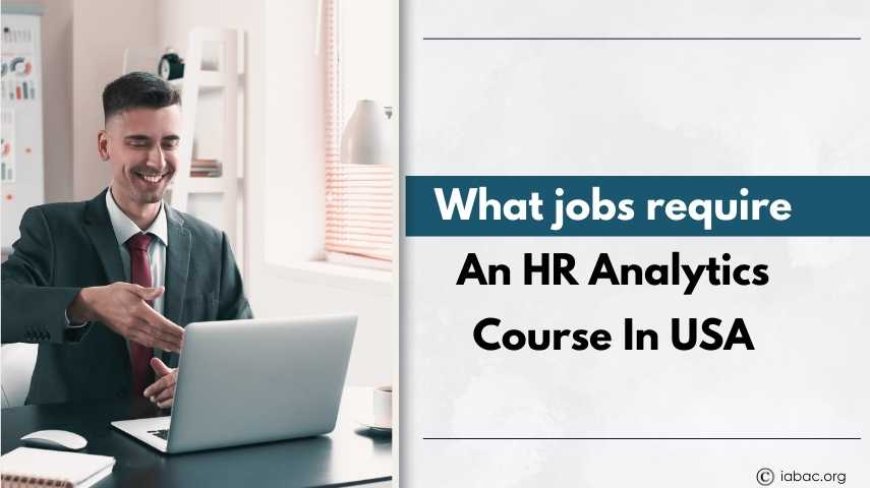
What jobs require an HR Analytics Course in USA
Learn about the careers in the USA that require an HR Analytics course. Understand the key roles and skills needed to excel in HR analytics.

When I started learning about HR Analytics, I realized how important it has become in today’s workplaces. Taking an HR Analytics course helped me see new career opportunities. More companies now use data to make decisions, so data analytics certifications are becoming more important. Many jobs, from HR specialists to data analysts, now look for skills in HR Analytics. In this blog, I’ll share my experiences and thoughts on which jobs benefit the most from these skills and why learning HR Analytics can help you grow in your HR career.
What is an HR Analytics Course in the USA, and What Jobs Need It?
Human resource (HR) is more than just handling employee paperwork and hiring. Companies now use data to make better HR decisions. This has created a strong demand for professionals who know HR Analytics. Those with a Certified HR Analytics Professional certification have better job opportunities. If you want to build a career in this field, taking an HR Analytics Course in the USA can help you learn the right skills.
What is HR Analytics, and Why is It Important?
HR Analytics, also called People Analytics or Workforce Analytics, uses data to improve HR decisions. It helps in hiring, employee performance tracking, salary planning, and keeping employees happy at work. Companies need HR professionals who can work with data to improve their teams and business growth.
An HR Analytics Course teaches how to collect, study, and use HR data. You will learn about HR reports, workforce planning, and ethical data use. Many professionals choose the Certified HR Analytics Professional certification from IABAC because it is recognized worldwide and helps in career growth.
What Jobs Require HR Analytics Skills?
Taking an HR Analytics Course in the USA can help you find jobs in different industries. Here are some careers where HR Analytics is important:

1. HR Analyst / People Analyst: HR Analysts use data to study employee performance, salaries, benefits, and work culture. Their insights help HR teams make better plans.
2. Talent Acquisition Analyst: These professionals use data to improve hiring. They track which job platforms bring the best candidates and predict who will succeed in the company.
3. HR Business Partner: HR Business Partners work closely with managers to help improve employee performance. Knowing HR Analytics helps them make decisions based on data.
4. Compensation and Benefits Analyst: This job focuses on salaries and benefits. These analysts use data to make sure companies offer fair and competitive pay.
5. Learning and Development Analyst: These analysts check if training programs help employees improve their skills. HR Analytics helps them track learning results and suggest better training plans.
6. Workforce Planning Specialist: Workforce Planning Specialists predict hiring needs and plan for future talent. They use HR Analytics to study hiring trends and workforce gaps.
7. Diversity, Equity, and Inclusion (DEI) Analyst: DEI Analysts track workplace diversity and measure how well inclusion efforts work. HR Analytics helps them create reports and suggest improvements.
8. Organizational Development Consultant: These consultants help companies improve work processes and employee engagement. HR Analytics helps them measure the impact of their strategies.
Why Choose HR Analytics Certification?
IABAC is a well-known certification body in analytics. The Certified HR Analytics Professional certification helps professionals learn practical skills and industry trends.
An HR Analytics Course in the USA from IABAC includes real-world examples, hands-on learning, and ethical HR data use. Whether you are an HR professional or looking to switch careers, this certification can help you stand out.
HR Analytics Salary in the USA for Freshers
If you complete an HR Analytics course, your salary will depend on your role, company, location, and past experience. Here’s a general idea for beginners in this field:
Starting Salary for HR Analytics Jobs:
- Average Salary: $65,000 – $75,000 per year
- Range:
- Lower end (new graduates): $50,000 – $60,000 per year
- Higher end (with internships or related experience): $80,000 – $90,000+ per year
Job Roles and Expected Salaries:
- HR Data Analyst: Around $68,000 per year
- People Analytics Associate: Around $72,000 per year
- HRIS Analyst (beginner level): Around $65,000 per year
- Workforce Analyst: Around $70,000 per year
Salaries may be higher in cities like New York, San Francisco, and Seattle, where there are more job opportunities and a higher cost of living.
How long is the HR Analytics Course in the USA?
The length of an HR Analytics course in the USA depends on the type of program. Short courses, like certifications, usually take a few weeks to a couple of months. These are good for professionals who want to build specific skills quickly. Longer programs, such as graduate certificates or master’s degrees, can last several months to over a year. These courses cover more topics, including data analysis, HR planning, and using data for decision-making. The exact duration depends on the institution, the program level, and whether you study full-time or part-time.
HR is becoming more data-focused, and professionals with HR Analytics skills have better career options. A Certified HR Analytics Professional certification from IABAC, along with an HR Analytics Course in the USA, can help you get into this growing field. Whether you want to move up in your current job or start a new role, learning HR Analytics can open new career paths.