






















































What is healthcare analytics in USA
Healthcare analytics in the USA involves using data to improve patient care, reduce costs, and optimize healthcare services through advanced analysis.

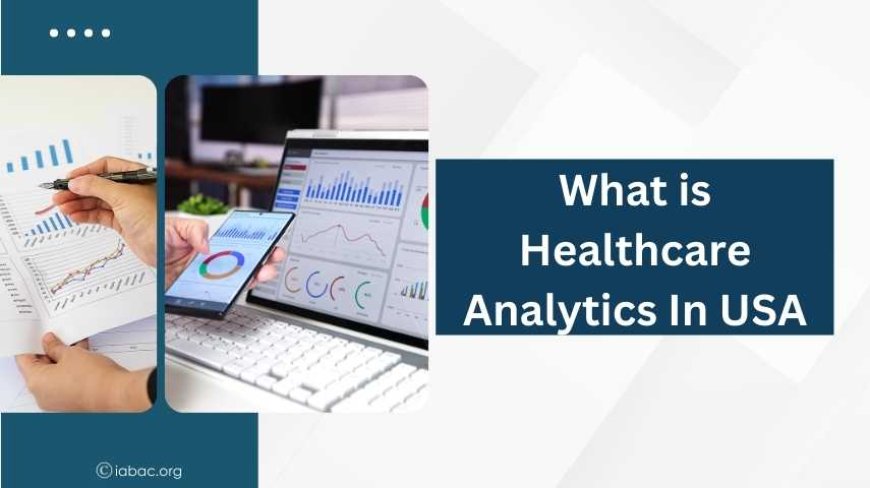
When I started learning about healthcare analytics, I quickly saw how important data is for making better choices in the U.S. healthcare system. This field brings together data science and medical knowledge to help patients and make hospitals work more smoothly. As I learned more, I noticed that people in this field often use tools like predictive models and statistical methods. These tools help them understand what might happen next and plan better care for patients. Getting the right Data Analytics Certifications helps. It gives you the skills to make smart decisions that can improve someone’s health and even save lives. In my experience, healthcare analytics is growing fast and playing a big part in how healthcare works in the USA.
What Is Healthcare Analytics?
Healthcare analytics is the process of using data to make healthcare better. It includes analyzing numbers from patient records, surveys, and hospital systems to understand what’s working and what needs fixing.
In my work, I’ve used it to shorten wait times, find patterns in diseases, and improve treatments. I use data from many sources — electronic health records (EHRs), billing systems, and even feedback from patients — to give useful insights to hospital leaders and doctors.
Why Healthcare Analytics Matters Today
After the pandemic, it became clear that hospitals needed better ways to plan and respond. For example, knowing how many ICU beds were available or predicting which areas might need more doctors. That’s when I saw how powerful healthcare analytics could be.
When I worked with a hospital in New Jersey, we used data to find patients who were at higher risk of getting sick again. By reaching out early, we helped many of them avoid emergency visits. It made a big difference — not just in numbers but in real lives.
Types of Data Used in Healthcare Analytics
Healthcare analytics uses different kinds of data to improve patient care, reduce costs, and make hospital work smoother. Here’s a simple list:

- Clinical Data: This includes health records, doctor notes, and lab test results. It shows the patient’s health history and treatment details.
- Administrative Data: Billing info, insurance claims, and procedure codes help manage costs and keep hospital processes on track.
- Patient Demographics: Details like age, gender, income level, and background help doctors give better care and spot any health gaps between groups.
- Operational Data: Things like how many hospital beds are full, how long patients wait, and how staff is used. This helps hospitals run more efficiently.
- External Data: Information about where people live, their environment, and public health updates gives more context to patient care.
All of these data types work together to support better choices and outcomes in healthcare analytics.
What Does a Certified Healthcare Analytics Professional Do?
Getting certified gave me the chance to work in more meaningful roles. I now work with big sets of data, build models to find trends, and talk with doctors and hospital staff about what the data means.
Our goal is simple — to use the information we have to improve patient care, reduce costs, and stay within healthcare rules. Every day, I see how data can lead to smarter decisions and better care.
How You Can Start Your Journey in Healthcare Analytics
If you’re interested in this field, start with a Data Analytics Certification. My first course covered data basics like sorting and visualizing information, along with some programming. Once I felt more confident, I moved on to courses that were focused on healthcare.
These programs weren’t just about passing tests. They helped me work on real healthcare problems — like predicting which patients might miss their appointments or spotting errors in medical bills.
Examples of How I Use Healthcare Analytics
Here are a few ways I’ve used healthcare analytics in my projects:

- Predicting patient risks – Spotting early signs of health problems
- Improving hospital operations – Reducing wait times and making better use of hospital beds
- Helping doctors with decisions – Giving real-time data insights
- Managing money better – Finding billing mistakes and handling insurance claims
- Understanding community health – Tracking chronic illness patterns in different areas
Each project helped make care more timely, accurate, and focused on patients.
The Surprising Problems Behind the Data
At first, I thought it would be simple — look at the data and find answers. But I soon learned that it wasn’t that easy. Data was often stored in different systems that didn’t work well together. Some records were outdated. Privacy rules like HIPAA made things more complex, especially when it comes to secure communication tools such as HIPAA texting. So even though there was plenty of data, most of it wasn’t being used well.
That’s where professionals like me — Certified Healthcare Analytics Professionals — step in. We help connect the dots between the data and the people who need it.
Can Healthcare Analytics Help Patients?
As I started working on real projects, I kept asking myself: How can this data actually make a difference in someone’s life? It wasn’t just about writing code or making charts. It was about finding the right meaning in the numbers and then using that knowledge to improve care for real people.
Learning Healthcare Analytics – My Career Path
To get better at this work, I joined some learning programs. I started with general Data Analytics Certifications, which helped me understand the basics — things like data cleaning, charts, and using Python. Later, I moved on to certifications that focused on healthcare problems.
These certifications helped me build the skills I needed. I learned how to solve actual problems like reducing hospital readmission rates or making staff scheduling better. In the end, I became a Certified Healthcare Analytics Professional — and it changed my career.
Working in healthcare analytics has truly changed my life. I’ve seen how a simple chart or prediction model can help save lives. It’s not just about data — it’s about people. If you’re a healthcare worker, someone interested in data, or a leader who wants to improve your hospital or clinic, I believe this field can offer you a meaningful path. Start with a Data Analytics Certification. If you want to go further, aim to become a Certified Healthcare Analytics Professional. It can help you grow your career — and help others at the same time.