
















































How does an HR Analytics Course in USA help HR professionals
An HR Analytics course in the USA equips HR professionals with data skills to improve hiring, performance, and strategic decision-making.

When I joined an HR Analytics Course in the USA, I had no idea how much it would change the way I see human resources. The course taught me how to use data to make better decisions, which is now a key part of HR work. The Data Analytics Certifications I earned helped build my reputation, making me more trusted in HR analytics. I improved my ability to analyze data and gained the confidence to apply strategies that bring real results to businesses. Today, HR professionals need to understand analytics, and this course makes it easier to learn and use.
What is HR Analytics in the USA
Making decisions based on data is more important than ever. Companies want smarter ways to manage employees, and HR professionals need the right skills to keep up. One way to do this is by taking an HR Analytics Course. In the USA, more businesses are using analytics to improve hiring, performance, and employee engagement. But what exactly is HR Analytics, and how can learning it help HR professionals?
Understanding HR Analytics
HR Analytics, also called people analytics, is the process of using data to improve HR decisions. It helps businesses understand things like employee turnover, job performance, and hiring success. By analyzing these numbers, HR teams can make better choices about how to attract and retain employees.
In the USA, many companies now prefer HR professionals who can understand and use data to make decisions. Instead of relying only on experience, HR teams use analytics to plan for the future and improve employee satisfaction.
How an HR Analytics Course Helps HR Professionals
An HR Analytics Course in the USA teaches HR professionals how to use data effectively. These courses include training in tools like Excel, Python, R, Tableau, and Power BI. They also cover important topics such as data analysis, statistics, and predicting workforce trends.
One of the best options is the Certified HR Analytics Professional program from IABAC (International Association of Business Analytics Certifications). This certification helps HR professionals move beyond traditional methods and use analytics to make smart, data-based decisions.
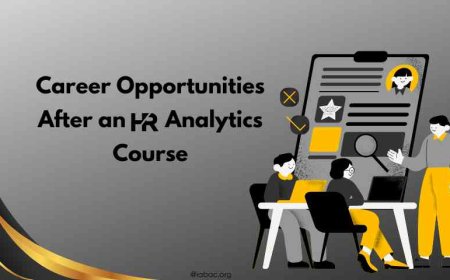
Career Opportunities in HR Analytics
HR is no longer just about hiring and paperwork. Companies now rely on data to make better decisions about employees. This has increased the need for HR Analytics experts—people who use data to improve how companies manage their workforce.

After completing an HR Analytics course, you can work in roles like:
1. HR Analyst
- Study employee data to find patterns
- Track hiring, employee retention, and engagement
- Create reports for HR teams
Salary Range: $60,000 – $80,000 per year
2. Talent Acquisition Analyst
- Review hiring data to improve recruitment
- Find the best sources for new hires
- Help reduce hiring costs and time
Salary Range: $65,000 – $85,000 per year
3. Workforce Planning Manager
- Plan hiring based on business needs
- Identify skill gaps in teams
- Develop training and hiring strategies
Salary Range: $80,000 – $100,000+ per year
4. People Analytics Consultant
- Use data to improve HR strategies
- Create dashboards to track employee trends
- Work with different teams to improve decision-making
Salary Range: $85,000 – $110,000+ per year
5. HR Data Specialist
- Manage HR databases
- Ensure HR data is accurate and useful
- Support analytics teams with reports
Salary Range: $55,000 – $75,000 per year
Industries That Hire HR Analytics Experts
HR Analytics professionals are needed in industries like:
- Technology
- Finance
- Healthcare
- Retail
- Manufacturing
- Consulting
Skills That Help in HR Analytics
To do well in HR Analytics, you need both technical and people skills. Knowing how to use tools like Excel, Power BI, and Tableau helps in analyzing and presenting HR data. While not always required, learning Python or R can be useful for deeper analysis and automation. Understanding HR software like Workday, SAP, or Oracle HCM is helpful for working with HR data. A good knowledge of statistics and reporting methods is important for drawing useful insights. Strong business awareness and clear communication skills also help in connecting data insights with company goals and sharing them effectively with others.
Why Choose IABAC for HR Analytics Certification?
IABAC offers a Certified HR Analytics Professional certification that is recognized worldwide. Their program provides up-to-date knowledge and training, helping HR professionals develop skills that employers value.
How Much Does It Cost to Study Data Analytics in the USA?
The USA is a popular place for students who want to study data analytics. It has some of the best universities, strong job opportunities, and advanced technology. However, studying in the U.S. can be expensive, so it's important to understand the costs before making a decision.
Why Study Data Analytics in the USA?
- Top Universities – Schools like MIT, Stanford, and Carnegie Mellon offer high-quality programs in data analytics.
- Job Opportunities – Companies like Google, Amazon, and Microsoft hire skilled professionals in this field.
- STEM Programs – Many data analytics courses qualify for STEM benefits, allowing students to work in the U.S. for a longer time after graduation.
Tuition Fees
The cost of studying depends on the university and whether it is public or private.
University Type |
Annual Tuition Fee (USD) |
Public Universities |
$19,500 – $30,000 |
Private Universities |
$30,000 – $44,500 |
Examples:
- UC Berkeley – ~$40,000/year
- Carnegie Mellon – ~$44,000/year
- University of Texas, Austin – ~$22,000 (in-state), ~$34,000 (out-of-state)
- Northeastern University – ~$33,000/year
Other Costs
Besides tuition, students should budget for:
Expense |
Estimated Annual Cost (USD) |
Living Expenses |
$10,000 – $20,000 |
Health Insurance |
$1,000 – $2,000 |
Books & Supplies |
$1,000 – $1,500 |
Transportation |
$500 – $1,200 |
Miscellaneous |
$1,000 – $2,000 |
Living in cities like New York or San Francisco costs more than places like Austin or Raleigh.
Scholarships and Financial Aid
Students can reduce costs by applying for:
- Merit-based scholarships – Awarded for good academic performance.
- Graduate assistantships – Paid part-time research or teaching jobs.
- External scholarships – Offered by organizations like Fulbright or private foundations.
Job Opportunities and Salaries
Investing in a data analytics degree can pay off with good job opportunities. Entry-level salaries in the U.S. range from $65,000 to $85,000 per year, and experienced professionals can earn over $100,000 per year.
Popular roles include:
- Data Analyst
- Business Intelligence Analyst
- Data Scientist
- Machine Learning Engineer
- Analytics Consultant
HR professionals who can understand and use data are becoming more important in today’s workplaces. An HR Analytics Course in the USA can help them gain useful skills, improve decision-making, and advance their careers. The Certified HR Analytics Professional certification from IABAC provides the knowledge and training needed to succeed in data-driven HR roles. If you’re looking to improve your HR skills, now is a great time to start learning HR Analytics.