





















































What to Expect from Data Scientist Courses
Thinking of becoming a data scientist? Learn what top courses cover—from Python and stats to real-world projects and certification benefits.


You're about to start on a journey into one of the most dynamic and rewarding fields of technology. These courses equip you with the skills and knowledge needed to analyze complex data, uncover valuable insights, and analyze database decision-making. But what exactly can you expect from a data scientist course From foundational concepts in statistics and programming to advanced techniques in machine learning and data visualization, this blog will guide you through the core components of data scientist courses, helping you understand what you'll learn, the practical experience you'll gain, and how these courses can propel your career forward.
Course Content Overview
- Fundamentals of Data Science:
- Introduction: Overview of data science, its significance, and its applications across various industries.
- Key Concepts: Essential principles such as statistics, probability, and data manipulation techniques.
- Key Concepts:
- Statistics: Methods for analyzing and interpreting data, including descriptive and inferential statistics.
- Probability: Understanding probability theory to make predictions and assess risks.
- Data Manipulation: Techniques for cleaning, transforming, and organizing data to prepare it for analysis.
This foundational content equips learners with the necessary skills to analyze data effectively and apply data science techniques in real-world scenarios.
Programming Skills
- Common Languages Taught:
- Python: Widely used for its simplicity and versatility in data analysis, machine learning, and visualization.
- R: Specialized in statistical analysis and data visualization, offering a rich ecosystem of packages.
- Basics of Coding and Data Analysis Libraries:
- Pandas: A Python library essential for data manipulation and analysis, providing powerful data structures like DataFrames.
- NumPy: A Python library for numerical computations, offering support for large arrays and matrices, along with a collection of mathematical functions.
These programming skills and libraries are crucial for efficiently handling and analyzing data, enabling learners to build robust data science solutions.
Data Handling and Processing
- Data Cleaning and Preprocessing:
- Data Cleaning: Techniques to identify and rectify errors or inconsistencies in datasets, ensuring accuracy and reliability.
- Preprocessing: Methods to prepare data for analysis, including normalization, transformation, and handling missing values.
- Handling Large Datasets and Databases:
- Large Datasets: Strategies for efficiently managing and analyzing big data, using tools and techniques like sampling and distributed computing.
- Databases: Skills for working with databases, including SQL for querying relational databases and tools for managing and extracting data from various sources.
These skills are essential for preparing data for analysis and ensuring it is structured and accessible for effective insights.
Machine Learning Techniques
- Introduction to Algorithms and Models:
- Algorithms: Understanding key machine learning algorithms, such as linear regression, decision trees, and neural networks, that are used to build predictive models.
- Models: Learning how to select, train, and evaluate models to make accurate predictions and solve problems based on data.
- Supervised vs. Unsupervised Learning:
- Supervised Learning: Techniques where models are trained on labeled data to make predictions or classify new data. Examples include regression and classification tasks.
- Unsupervised Learning: Techniques used with unlabeled data to identify patterns or groupings. Examples include clustering and dimensionality reduction.
These techniques are fundamental for developing data-driven solutions and extracting meaningful insights from data.
Data Visualization
- Tools and Techniques:
- Matplotlib: A Python library for creating static, animated, and interactive visualizations, including plots, histograms, and scatter plots.
- Tableau: A powerful data visualization tool that allows users to create interactive and shareable dashboards, helping to present data insights effectively.
- Creating Meaningful and Interpretable Visualizations:
- Techniques: Applying best practices to design clear and informative visualizations, including choosing appropriate chart types, using color effectively, and ensuring readability.
- Purpose: Develop visualizations that accurately represent data insights, making it easier to communicate findings and support decision-making.
These skills are essential for translating complex data into accessible visual formats that enhance understanding and facilitate data-driven decisions.
Learning Outcomes
- Skills and Knowledge:
- Technical Proficiency: Gain expertise in data analysis, programming languages (Python, R), and machine learning algorithms.
- Data Handling: Develop skills in data cleaning, preprocessing, and visualization to prepare and interpret complex datasets.
- Practical Applications and Real-World Problem-Solving:
- Application: Learn to apply data science techniques to real-world problems, from building predictive models to deriving actionable insights.
- Case Studies: Work on practical projects and case studies that simulate real industry challenges, enhancing problem-solving abilities.
- Development of Critical Thinking and Analytical Abilities:
- Critical Thinking: Enhance your ability to approach problems analytically, evaluate data, and make data-driven decisions.
- Analytical Skills: Improve your capacity to analyze data patterns, trends, and correlations, supporting effective decision-making and strategic planning.
These outcomes ensure you are well-equipped to tackle data science challenges and apply your skills in diverse professional settings.
Practical Experience
- Hands-On Projects and Case Studies:
- Projects: Engage in practical projects that simulate real-world data science challenges, applying learned techniques to solve problems and build models.
- Case Studies: Analyze case studies to understand how data science methods are used in different industries and contexts.
- Opportunities for Working with Real Datasets:
- Real Datasets: Work with actual data from various sources to gain experience in data cleaning, analysis, and visualization.
- Data Sources: Use publicly available datasets or datasets provided by industry partners to practice handling large and complex data.
- Internships or Collaboration with Industry Professionals:
- Internships: Gain valuable experience through internships that offer exposure to real-world data science tasks and industry practices.
- Collaboration: Collaborate with industry professionals on projects, gaining insights into practical applications and best practices in data science.
These practical experiences are crucial for applying theoretical knowledge, developing hands-on skills, and preparing for a successful career in data science.
Course Format and Structure
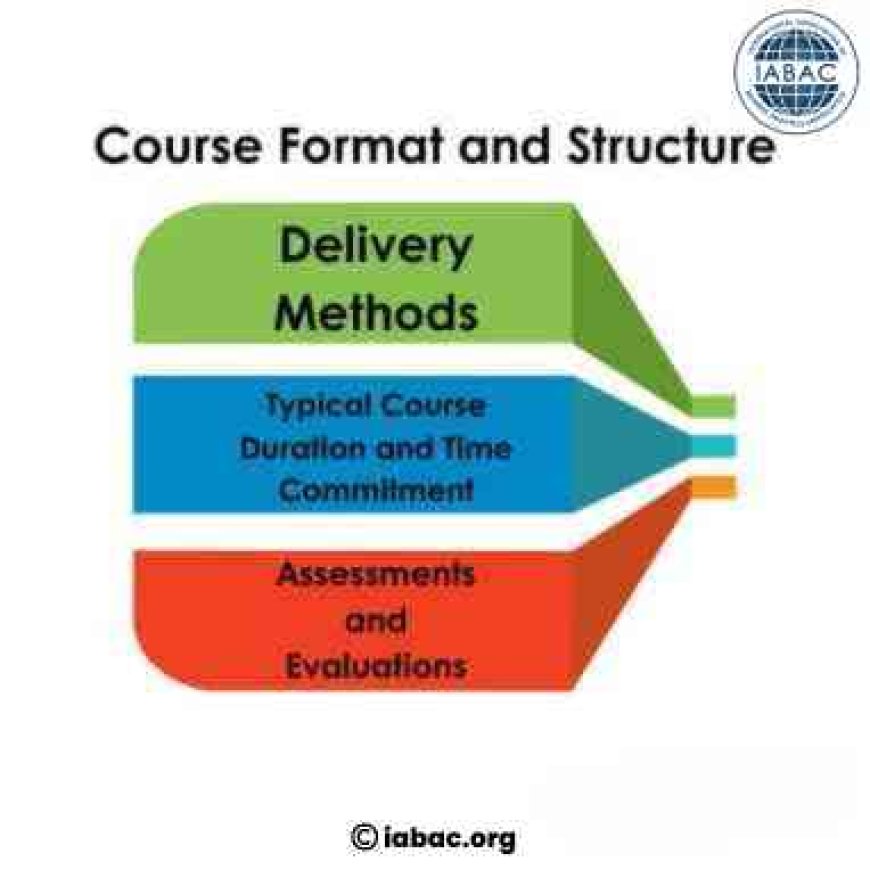
- Delivery Methods:
- Online: Courses available through online platforms, offering flexibility to learn at your own pace from anywhere.
- In-Person: Traditional classroom-based learning with direct interaction with instructors and peers.
- Hybrid: A combination of online and in-person sessions, blending the convenience of online learning with the benefits of face-to-face interaction.
- Typical Course Duration and Time Commitment:
- Duration: Courses can range from a few weeks to several months, depending on the depth and scope of the content.
- Time Commitment: Typically requires several hours per week for lectures, readings, and assignments, with additional time needed for projects and study.
- Assessments and Evaluations:
- Exams: Tests to assess your understanding of theoretical concepts and practical applications.
- Projects: Hands-on projects to apply learned skills to real-world problems and demonstrate practical proficiency.
- Assignments: Regular tasks to reinforce learning, including problem-solving exercises and data analysis activities.
Certification and Credentials
- Importance of Certification for Career Advancement:
- Validation: Certifications validate your expertise and skills, enhancing your credibility in the job market.
- Career Growth: Earning a certification can open doors to higher-level positions, increased responsibilities, and career advancement opportunities.
- Overview of Recognized Certifications and Their Benefits:
- IABAC Certified Data Scientist: Provides global recognition and demonstrates a comprehensive understanding of data science concepts and techniques.
- Other Certifications: Include options like Certified Analytics Professional (CAP) and Microsoft Certified: Azure Data Scientist Associate, each offering specific benefits related to their focus areas.
Career Prospects and Opportunities
- Potential Job Roles and Career Paths for Data Scientists:
- Roles: Includes positions such as Data Scientist, Machine Learning Engineer, and AI Specialist.
- Career Paths: Opportunities for advancement into roles like Data Science Manager, Chief Data Officer (CDO), and Director of Analytics.
- Industries and Sectors Where Data Scientists Are in Demand:
- Industries: Technology, finance, healthcare, and retail are among the top sectors seeking data science expertise.
- Sectors: Data scientists are needed for roles in research and development, marketing analytics, and operational optimization.
- Impact of Course Completion on Career Growth and Salary Expectations:
- Career Growth: Completing a data science course can significantly boost your employability and open up new career opportunities.
- Salary Expectations: Certified data scientists often experience higher earning potential and greater job stability due to their specialized skills and knowledge.
A data scientist course equips you with essential skills in data analysis, machine learning, and programming, preparing you for a dynamic career in the data science field. You can expect to gain hands-on experience with real-world datasets, learn from industry experts, and earn valuable credentials that enhance your career prospects.
It's important to choose a course that aligns with your career goals and interests to ensure you gain relevant skills and knowledge. Programs like the Certified Data Scientist by IABAC offer global recognition and comprehensive training, making them a strong choice for advancing your career. Take the next step towards a promising career in data science—explore and enroll in a data scientist course today to unlock new opportunities and achieve your professional goals.



-
 Elysium AcademyThis blog gives a clear picture of how Data Scientist courses help develop analytical thinking and problem-solving skills.









