


























































Key Benefits of Data Analytics in Agriculture
Find the key benefits of data analytics in agriculture, including improved crop management, increased yields, reduced costs, and sustainable farming practices.


Data analytics is revolutionizing how farmers and agribusinesses operate. By harnessing information based on data, agricultural stakeholders can optimize crop yields, enhance resource management, and improve overall efficiency. From precision farming to predictive analytics, the benefits of data analytics in agriculture are vast and transformative. In this blog, we’ll explore how data analytics is reshaping the agricultural industry, highlighting its key benefits and the impact it has on modern farming practices.
Data Analytics
Data analytics involves the process of examining large sets of data to obtain trends, correlations, and insights that inform decision-making. It includes various techniques and tools used to analyze and interpret data to gain valuable information and support strategic actions. Data analytics typically involves the following steps:
- Data Collection: Gathering raw data from various sources, such as databases, surveys, sensors, or online platforms.
- Data Cleaning: Removing or correcting errors and inconsistencies in the data to ensure accuracy.
- Data Analysis: Applying statistical methods, algorithms, or machine learning techniques to analyze the cleaned data and extract meaningful patterns or trends.
- Data Interpretation: Making sense of the analyzed data to draw conclusions, make predictions, or identify areas for improvement.
- Data Visualization: Presenting the insights through charts, graphs, or dashboards to make the findings easily understandable and actionable.
Data analytics helps organizations make informed decisions, optimize processes, and improve strategic initiatives by using the power of data.
How Data Analytics Helps in Optimizing Planting Strategies and Crop Management
Data analytics significantly enhances crop yields by providing valuable insights into planting strategies and crop management. By analyzing historical weather patterns, soil conditions, and crop performance data, farmers can make informed decisions on the optimal times for planting and harvesting. This data-driven approach helps in customizing crop management practices to specific conditions, leading to more efficient use of resources and better yields.
Examples of Predictive Analytics for Improving Crop Performance
- Weather Forecasting: Predictive models analyze weather data to forecast optimal planting and harvesting times, reducing the risk of crop damage from adverse weather conditions.
- Soil Health Monitoring: Analytics tools assess soil quality and nutrient levels to recommend precise fertilization and irrigation schedules, enhancing crop growth and yield.
- Disease and Pest Prediction: Predictive analytics identify potential pest infestations or diseases by analyzing environmental factors and historical data, enabling proactive management and reducing crop losses.
- Yield Forecasting: Advanced models use historical yield data and current crop conditions to predict future yields, helping farmers plan better and make adjustments to improve output.
By using these predictive analytics techniques, farmers can optimize crop management, improve efficiency, and achieve improved crop yields.
Using Data to Monitor and Manage Resources
Data analytics plays a crucial role in monitoring and managing agricultural resources such as water, fertilizers, and pesticides. By collecting and analyzing data from sensors, satellite imagery, and weather prediction, farmers can precisely track resource usage and adjust applications based on real-time needs. This data-based approach ensures that resources are used efficiently, reducing excess and preventing overuse.
Benefits of Precision Agriculture in Reducing Waste and Costs
- Water Management: Precision irrigation systems use data to deliver the exact amount of water needed to crops, reducing water waste and ensuring optimal growth conditions.
- Fertilizer Application: Data analytics helps in determining the precise nutrient requirements of crops, leading to more efficient fertilizer use and minimizing environmental impact.
- Pesticide Usage: Targeted application of pesticides based on data on pest populations and crop conditions reduces unnecessary chemical use, lowering costs and minimizing harm to beneficial organisms.
- Cost Savings: By optimizing resource use, precision agriculture reduces overall costs associated with water, fertilizers, and pesticides, leading to higher profitability and sustainable farming practices.
Utilizing data for resource management enables farmers to implement precision agriculture techniques, resulting in reduced waste, lower costs, and enhanced environmental sustainability
Improved Pest and Disease Management
Effective pest and disease management is crucial for maximizing crop yield and ensuring sustainable agriculture. Leveraging data and technology is transforming traditional practices and enabling more precise interventions.
Leveraging Data to Predict and Identify Pest and Disease Outbreaks
- Data Collection: Modern farms collect vast amounts of data from various sources, including weather patterns, soil conditions, and crop health indicators.
- Predictive Analytics: Advanced algorithms analyze this data to predict potential outbreaks before they occur. By integrating historical data and real-time inputs, farmers can anticipate pest and disease risks.
- Remote Sensing: Satellite imagery and drones provide detailed views of crops, helping identify problem areas early. This technology allows for more accurate monitoring and rapid response to emerging issues.
Strategies for Targeted Interventions and Minimizing Crop Damage
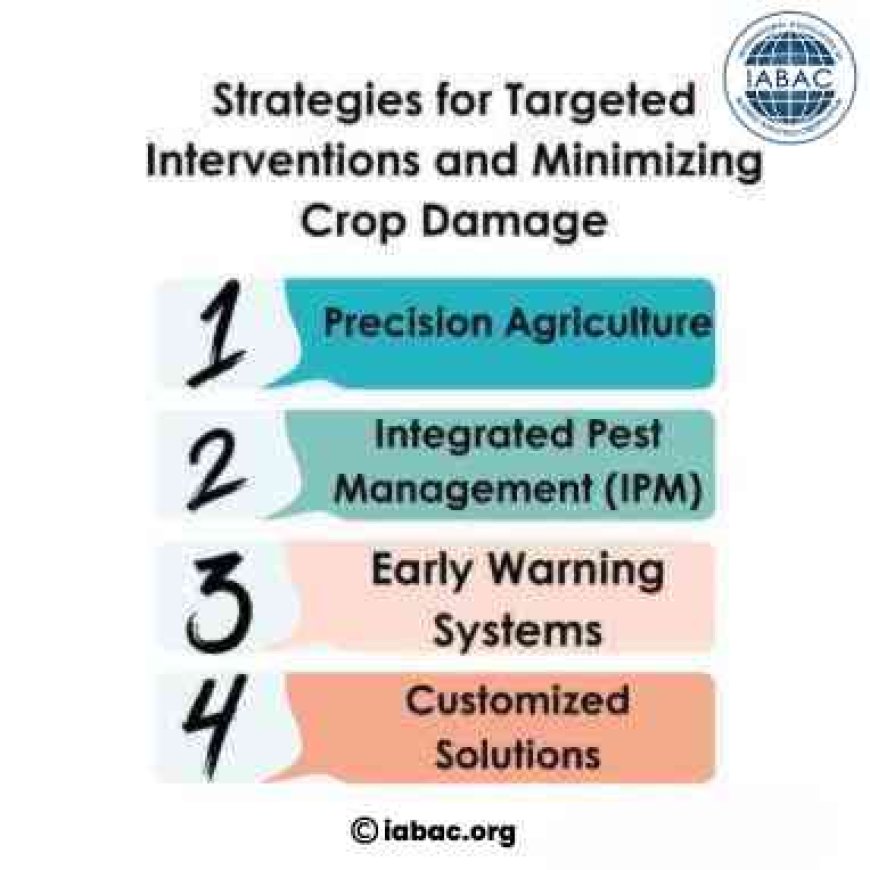
- Precision Agriculture: Use data-driven insights to apply pesticides and treatments only where needed, reducing overall chemical usage and minimizing environmental impact.
- Integrated Pest Management (IPM): Combine biological, cultural, mechanical, and chemical methods based on data analysis to control pests sustainably.
- Early Warning Systems: Implement systems that alert farmers to potential outbreaks, enabling prompt action to address threats before they escalate.
- Customized Solutions: Develop targeted involvement strategies tailored to specific crop types and local conditions, informed by data analysis and expert recommendations.
By embracing methods based on data, farmers can enhance pest and disease management, leading to healthier crops, increased yields, and more sustainable agricultural practices.
Enhancing the Efficiency of the Supply Chain from Farm to Market
- Streamlined Processes: Integrate advanced technologies such as Internet of Things (IoT) sensors and blockchain to track and manage every stage of the supply chain. This ensures transparency and reduces delays.
- Real-Time Tracking: Implement GPS and RFID systems to monitor the location and condition of shipments in real time. This allows for timely updates and adjustments to improve delivery efficiency.
- Collaboration and Coordination: Foster strong partnerships between farmers, processors, distributors, and retailers. Effective communication and data sharing enhance coordination and streamline the flow of goods.
Data-Driven Approaches to Inventory Management and Distribution
- Predictive Analytics: Use historical sales data, market trends, and seasonal patterns to forecast demand accurately. This helps optimize inventory levels and reduce both overstock and stockouts.
- Automated Inventory Systems: Implement automated inventory management solutions that provide real-time updates on stock levels, reducing manual errors and improving replenishment accuracy.
- Optimized Routing: Apply data analytics to determine the most efficient delivery routes, minimizing transportation costs and ensuring timely arrivals.
- Demand Response: Leverage data insights to adjust production and distribution plans dynamically based on changing market conditions and consumer preferences.
The Role of Data in Strategic Planning and Farm Management
Data is essential for strategic planning and farm management, helping to make informed decisions and optimize operations.
Strategic Planning
- Trend Analysis: Data reveals trends in market demand, weather, and crop performance, guiding decisions on crop selection and resource use.
- Risk Management: Historical data helps forecast risks like weather disruptions and price changes, allowing for proactive strategies.
Financial Decisions
- Budget Optimization: Data analytics identify cost patterns and revenue streams, helping to reduce expenses and enhance budget efficiency.
- Investment Choices: Insights into the profitability of crops and technologies guide smart investment decisions.
Operational Efficiency
- Resource Management: Precision agriculture uses data to optimize water and fertilizer use, reducing waste and boosting yields.
- Performance Tracking: Continuous data feedback allows for adjustments that improve farm productivity and profitability.
By using data, farmers can make better financial and operational decisions, leading to more efficient and profitable management.
Using Data for Sustainable Farming
Data plays a pivotal role in promoting sustainable farming practices and reducing environmental impact.
Promoting Sustainable Practices
- Precision Agriculture: Data-driven technologies help farmers apply resources like water and fertilizers more efficiently, minimizing waste and maximizing crop yield.
- Monitoring Ecosystems: Sensors and data analytics track soil health, water usage, and biodiversity, guiding practices that support long-term environmental health.
Reducing Environmental Footprint
- Resource Optimization: Data helps optimize the use of inputs, reducing excess and preventing pollution. For example, precision irrigation systems minimize water use and runoff.
- Conservation Strategies: Analyzing data on crop rotation, cover cropping, and soil management enables farmers to implement conservation practices that enhance soil health and reduce erosion.
By leveraging data, farmers can adopt practices that enhance sustainability and reduce their environmental footprint, contributing to a healthier planet.
Data analytics brings numerous benefits to agriculture, transforming farm management and decision-making. Key advantages include improved decision-making through insights into market trends, efficient resource use, and improved risk management. By optimizing operations and increasing productivity, data analytics also supports sustainable farming practices, reducing environmental impact and promoting long-term agricultural health.
Embracing database strategies is crucial for future growth and efficiency in farming.using data can lead to smarter decisions, greater operational efficiency, and a more sustainable approach to agriculture. As the industry evolves, adopting these strategies will be essential for staying competitive and achieving continued success