



























































What is a Data Science Job?
Understand the role of a data scientist, the skills required, typical responsibilities, and how data is used to solve practical problems effectively.


Working in data science and data-driven solutions for many years, I have helped many companies use data to make better decisions. The key to this change is a data science position, which combines programming, statistical analysis, and business knowledge to identify patterns in large, complicated information.
To promote expansion, streamline operations, and predict future trends, businesses are depending more and more on qualified data specialists. I will explain the responsibilities, skills, and career options in this, giving anyone willing to learn more about or pursue this high-demand field an easy path to follow.
Understanding Data Science
A combination of domain knowledge, computer science, and statistics is known as data science. Analyzing data to help organizations or enterprises make better decisions is their main goal.
Data scientists clean, process, and analyze data using a variety of tools and methods. They search for relationships, trends, and patterns that can provide useful information.
For instance, a retail business may employ it to understand the purchasing habits of its customers. This may help them in making product recommendations, streamlining inventories, or creating advertising campaigns that bring in more customers.
What Does a Data Scientist Do?
A data scientist is a person who uses data to solve challenging issues. The key responsibilities of a data scientist are as follows:
1. Collecting Data
A data scientist requires data before they can analyze anything. Data could come from:
-
Company databases
-
Online surveys
-
Social media platforms
-
Sensor devices (like in smart homes or IoT devices)
Collecting important information and verifying its accuracy is the first step.
2. Cleaning Data
Raw data is frequently messy. It may contain errors, duplication, or missing values. To prepare data for analysis, a data scientist must spend a lot of effort organizing and cleaning the data. Because inaccurate data can result in incorrect conclusions, this step is important.
3. Analyzing Data
Analysis is the next step after data cleaning. To identify patterns and relationships in the data, data scientists use statistical techniques and computer languages like R or Python.
For example, they could study sales data to determine which things sell the most over the holidays.
4. Building Models
Predictive models are frequently developed by data scientists. These are mathematical models that use past data to predict future occurrences.
A data scientist might, for example, develop a model to identify which subscribers are most likely to cancel a subscription service so that the business can take steps to keep them.
5. Visualizing Data
The art of using graphs, charts, and dashboards to show data in an understandable way is known as data visualization.
Effective data visualization helps decision-makers to understand insights more quickly without going into complex analysis.
6. Communicating Insights
A data scientist then presents their findings to stakeholders and managers. Because it's important to communicate complex results in simple terms that non-technical people can understand, communication skills are essential.
Roles in a Data Science Job
Being a data scientist is only one part of a career. Each of the several roles involved focuses on one particular part of the data science process:

1. Data Analyst
-
Focuses on analyzing data that is already available.
-
Creates visuals and reports.
-
Helps businesses in understanding trends
-
Responsible for creating and maintaining data pipelines.
-
Ensures data is captured, saved, and accessible for analysis.
3. Machine Learning Engineer
-
Develops machine learning models that can learn from data.
-
Collaborates closely with data scientists to put predicted solutions into practice.
4. Business Analyst
-
Focus on the business side of data.
-
Makes recommendations for strategies and fixes to improve performance using data.
Every position matters, and businesses frequently look for experts who can do a variety of tasks.
Skills Required for a Data Science Job
It takes a combination of technical, analytical, and communication skills to work in this. Here are a few important skills:
1. Programming Skills
The two most often used languages are Python and R. SQL is essential for managing databases as well.
2. Statistics and Mathematics
Analyzing data and creating models requires an understanding of statistics. It is frequently necessary to have an understanding of probability, regression, and hypothesis testing.
3. Data Visualization
It's important to be able to clearly show data using programs like Tableau, Power BI, or matplotlib.
Predictive analytics requires an understanding of machine learning methods like decision trees, regression, and clustering.
5. Communication Skills
Data scientists need to be able to clearly and concisely communicate insights to non-technical people.
6. Problem-Solving
To recognize issues and use data to create answers, a data scientist needs to be able to think critically.
Typical Work Environment
Many industries provide data science careers, including:
-
Tech companies such as Facebook, Amazon, and Google.
-
Banking and finance for investment strategies and fraud detection.
-
Healthcare for disease prediction and improving patient care.
-
E-commerce and retail for anticipating sales and analyzing consumer behaviour.
-
Governmental agencies for data-driven decision-making and public policy.
Although working remotely has become more popular in recent years, many data scientists still work in offices. For short initiatives, several businesses additionally use data science consultants.
Career Path in Data Science
Starting a career in this can appear difficult, but with the appropriate steps, it's achievable:
-
Education: A lot of data scientists hold degrees in engineering, mathematics, statistics, or computer science.
-
Learn to program: R and Python are important. Database SQL is also important.
-
Practice with Projects: Work with actual datasets from GitHub or Kaggle.
-
Learn Machine Learning: Investigate algorithms and how to use them.
-
Develop Your Communication Skills: Work on clearly expressing your observations.
-
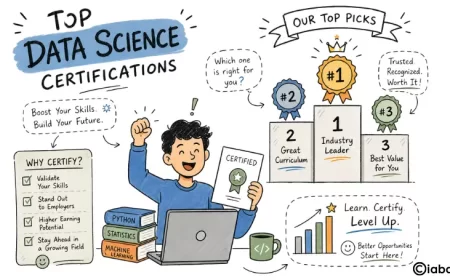
Become Certified: Credibility can be increased by obtaining a certification. For example, the Data Science Certification is accepted throughout the world and helps in showcasing your skills to prospective employers.
Changing unstructured data into insightful knowledge that may inform business choices is the main responsibility of this position. It combines soft skills like problem-solving and communication with technical ones like machine learning, analytics, and programming.
Given how important data is becoming to every business, it provides a fulfilling job with lots of room for advancement. By validating their skills and understanding through certifications like the Data Science Certification, aspiring data professionals can improve their employment prospects.
In the current data-driven world, it is more than simply a career; it's a field that influences how companies and organizations make choices.