
























































What is the role of an HR analyst
Wondering what HR analysts do? Explore how they use data to improve hiring, boost retention, and help HR teams make smarter decisions.


As an HR professional who got into Data Analytics, I saw how important the role of an HR analyst is in today’s companies. An HR analyst looks at employee data to help improve hiring and keep good people on the team. This role also helps managers make better decisions about how the team works.
During this journey, I found that getting Data Analytics Certifications from IABAC helped me a lot. It gave me the right skills to understand data and share useful ideas. By studying employee patterns, an HR analyst can make sure the company supports both its people and its goals.
What Does an HR Analyst Do?
An HR Analyst (also called a People Analyst or HR Data Analyst) looks at HR data to help teams make better decisions. This includes data about hiring, employee satisfaction, turnover, and more.
With more companies using data in their daily work, the need for HR Analysts is growing steadily.
Main Responsibilities of an HR Analyst
Here are the key tasks that HR Analysts often handle:

● Review HR Data
They collect data from HR tools to track things like hiring trends, absenteeism, and employee feedback.
● Build Reports and Dashboards
They use tools like Excel, Power BI, or Tableau to show data clearly so that leaders can take quick actions.
● Spot Patterns in the Workforce
They study trends in hiring, retention, and performance to help teams work better.
● Check Rules and Policies
They support legal and policy checks, such as ensuring fair pay and diversity in the workplace.
● Work with HR Leaders
They share their insights with managers to improve planning and team performance.
● Improve HR Systems
They help manage HR software and suggest better ways to use it.
● Salary Analysis
They research industry salary data to help keep pay fair and competitive.
How Human Resources Has Changed Over Time
Today, businesses are changing fast. The workforce is more active, competitive, and focused on data. Human Resources (HR) is no longer just about handling paperwork and hiring. HR teams are now helping companies grow, keeping employees happy, and making sure everything runs smoothly. To do this well, they need to use data to make the right choices. That’s where the HR analyst comes in—a key role that helps HR teams make sense of their data and improve how they work.
The Struggle with Using HR Data
Most companies know that using data is important. But many HR departments still have a hard time understanding what their data is really saying. Without the right tools or experts, useful insights can stay hidden in spreadsheets. This can lead to poor hiring choices, unhappy employees, more people leaving the company, and higher costs. That’s why many companies now look for professionals with the Certified HR Analytics Professional title. These experts know how to turn raw data into smart actions.
Important Skills for an HR Analyst
The job needs a mix of HR knowledge, data skills, and communication.
1. Understanding Business: They should know how people data affects business outcomes.
2. Clear Communication: They need to explain findings in a simple and useful way to others in the company.
3. Working Well with Teams: They should build good relationships with other departments.
4. HR Knowledge: They should know HR rules, processes, and best practices.
5. Data and Reporting Tools: They must be comfortable using Excel, SQL, and tools like Power BI.
6. HR Systems: They often work with platforms like SAP SuccessFactors or Workday.
7. Global Awareness: For global companies, it's helpful to understand cultural differences when analyzing data.
How to Become an HR Analyst
You don’t always need a technical degree. Here's a simple path:
● Learn What the Job Needs: Check job listings to see common skills, tools, and platforms.
● Join a Good Course: A structured HR analytics course from IABAC can teach you HR metrics, data tools, and workforce planning.
● Get Some Experience: Start with small reporting tasks or practice with public data.
● Learn Data Tools: Know how to use Excel, Power BI, and other reporting software.
● Keep Learning: Join online HR groups, attend webinars, and follow current trends.
Career Growth and Salary
The HR Analyst role has clear paths for growth:
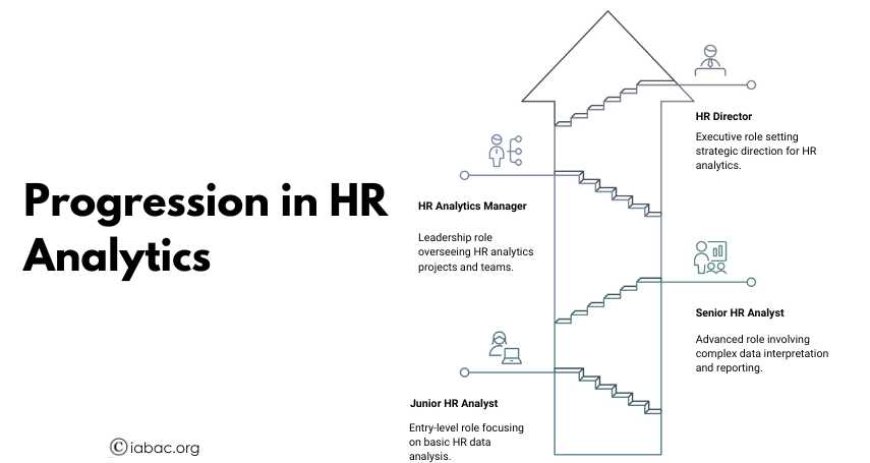
Start as a Junior HR Analyst → Move up to Senior HR Analyst → HR Analytics Manager → HR Director
You can also shift into roles like HRIS Manager or People Analytics Consultant.
How Much Can You Earn?
In the U.S., HR Analysts usually earn between $65,000 to $117,000 a year, depending on skills, location, and company size.
HR Analyst vs Other HR Jobs
● HR Analyst vs HR Business Partner
HR Analysts focus on data and insights, while Business Partners focus more on employee support and strategy.
● HR Analyst vs HR Generalist
Generalists handle many HR duties, while Analysts focus only on data and reporting.
Why HR Analysts Matter
HR teams now depend on data to make better choices. An HR Analyst helps turn numbers into clear insights that improve hiring, performance, and employee care. If you’re ready to grow in your HR career or enter this space, an HR analytics course from IABAC is a smart way to begin. It will help you build the right skills and prepare for the job.
Start your career as an HR Analyst with IABAC’s trusted HR Analytics Course today.