















































What Are the Benefits and Challenges of HR Analytics?
Find out the key benefits and challenges of HR Analytics. Learn how data-driven insights improve hiring, retention, and workforce productivity.

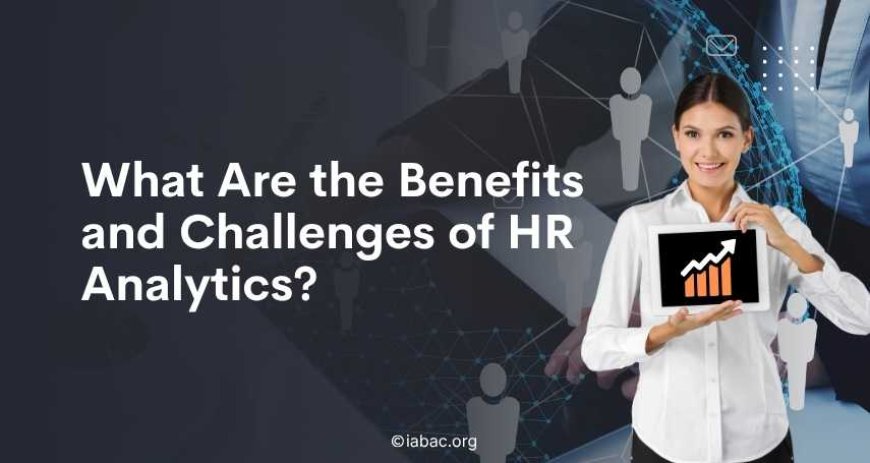
HR Analytics, also known as People Analytics, is transforming how companies attract, manage, and retain workers. Companies can use data-driven insights to make better hiring decisions, increase employee satisfaction, and improve overall performance. In today's competitive environment, HR professionals and business leaders must understand HR analytics.
I'll explain the essential benefits and challenges of using HR Analytics in simple and understandable terms, supported by practical insights and best practices, so you can see how data can revolutionize your HR strategies and drive company growth.
What Is HR Analytics?
HR Analytics involves the collection, analysis, and interpretation of employee-related data to improve decision-making and workforce management.
Instead of relying on gut feelings or traditional HR practices, analytics helps companies use data to understand trends, predict future outcomes, and make more informed HR decisions.
For example, analytics can help HR teams understand:
-
Why employees are leaving.
-
What factors lead to higher engagement?
-
Which hiring strategies result in better talent?
-
How training impacts performance.
By using these insights, HR leaders can make smarter moves that improve productivity, reduce costs, and create a better work culture.
Why HR Analytics Is Important
Organizations today face growing pressure to attract the right talent, retain skilled employees, and build strong, data-backed HR strategies. HR Analytics helps bridge the gap between HR practices and business goals.
It allows companies to:
-
Measure employee performance objectively.
-
Align HR strategies with company objectives.
-
Predict future workforce trends.
-
Reduce risks associated with bad hiring or poor retention.
In short, HR Analytics transforms HR from a support function to a strategic powerhouse that drives business growth.
The Benefits of Using HR Analytics
HR Analytics can bring tremendous advantages to organizations that adopt it thoughtfully. Let’s explore some of the major benefits.
1. Improve Talent Acquisition
Finding and hiring the right people is one of the most difficult issues for human resources professionals. HR Analytics enables recruiters to leverage data from previous hires, job applications, and performance records to determine which candidates are most likely to succeed.
For example, reviewing data from high-performing employees can help HR teams understand what qualities, experiences, or traits set them apart, and then target similar applicants in the future.
This leads to better-quality hires, faster recruitment cycles, and lower hiring costs.
2. Increase Staff Retention
Employee turnover is costly and disruptive. HR Analytics allows organizations to track employee satisfaction, engagement scores, and performance metrics to spot patterns that lead to high turnover.
By understanding why people leave, HR can take preventive actions, such as improving management practices, redesigning job roles, or enhancing benefits, to keep employees happy and loyal.
In short, data helps companies reduce employee attrition and retain top talent.
3. Improve Employee Experience
HR Analytics is about people, not just numbers. Companies can use analytics to extract insights from employee feedback, surveys, and performance data in order to identify areas affecting morale and satisfaction.
When HR teams use this data, they may make significant improvements to workplace culture, training, and engagement programs. As a result, employees are respected and heard, which increases motivation and productivity.
4. Accurately Identify Skill Gaps in Your Organization
HR Analytics can help businesses pinpoint where skill shortages exist. For example, by comparing employee capabilities with job requirements, organizations can identify which departments or roles need upskilling or training.
This allows HR to plan learning and development programs that close these gaps, ensuring the workforce remains competitive and future-ready.
5. Increase Workforce Productivity
When companies use data to understand how employees work best, they can optimize performance across the board. HR Analytics provides insights into factors like team collaboration, workload balance, and performance trends.
By acting on these insights, HR leaders can streamline operations, reduce inefficiencies, and enhance overall productivity.

The Challenges of Using HR Analytics
While HR Analytics brings many advantages, it’s not without its difficulties. Understanding these challenges helps companies prepare better strategies for successful implementation.
1. Consolidating Data from Different Departments and Third-party Sources
HR data is frequently derived from several systems, including payroll, recruitment, performance tools, and external databases. It is difficult to combine all of this data into a single consistent, useful format.
Without effective integration, data might become inconsistent or inconsistent, resulting in false insights. To address this challenge, companies must have dependable data management systems and departmental cooperation.
2. Privacy and Compliance Challenges
Employee data is highly sensitive. When dealing with analytics, companies must ensure that privacy laws and data protection policies are strictly followed.
Failure to comply with regulations like GDPR or local data protection acts can lead to serious legal and ethical issues. Therefore, HR departments must build secure systems and maintain transparency with employees about how their data is used.
3. Insufficient IT Resources for HR Data Analytics
Many HR departments lack the technical resources or skilled workers required for efficient analysis of big data sets. Advanced analytics require not only the correct software, but also data scientists and HR professionals.
To fully leverage this technology, companies must invest in HR Analytics training or hire expert talent.
4. Inability to Access Quality Data
“Garbage in, garbage out”, this phrase applies perfectly to HR Analytics. If the data collected is incomplete, outdated, or inaccurate, the results will be misleading.
Maintaining data quality requires regular updates, accurate record-keeping, and cross-verification. Without reliable data, even the most advanced analytics tools won’t produce meaningful insights.
5. Potential Data Bias
Data-driven decisions can still be biased if the data itself is biased. For example, if past hiring data favors certain demographics, analytics tools may unintentionally reinforce those patterns.
Organizations must carefully monitor and correct for bias to ensure that HR Analytics promotes fairness, inclusivity, and diversity in the workplace.
How to Overcome These Challenges
To make HR Analytics successful, organizations should:
-
Build a strong data management framework.
-
Train HR teams in data literacy and analytics tools.
-
Ensure transparent and ethical use of employee data.
-
Regularly review and clean datasets to maintain quality.
-
Use technology that integrates easily with existing HR systems.
By taking these steps, companies can unlock the full power of HR Analytics without compromising ethics or data integrity.
Real-World Impact of HR Analytics
Leading organizations worldwide are already seeing results from HR Analytics. For example:
-
Google uses people analytics to improve hiring decisions and employee satisfaction.
-
IBM applies predictive analytics to forecast which employees might leave and proactively engages with them.
-
Deloitte uses analytics to track workforce diversity and inclusion metrics.
These examples show that HR analytics is more than just a term; it is a proven technique for creating smarter, data-driven businesses.
The Future of HR Analytics
As AI and machine learning continue to evolve, HR Analytics will become even more advanced. Future HR systems may be able to:
-
Predict employee performance with high accuracy.
-
Offer personalized learning paths for every employee.
-
Automate repetitive HR tasks.
-
Provide real-time insights to improve workforce planning.
To develop effective strategies, future HR professionals must be proficient with data and understand both people and statistics.
Human resource analytics is changing the way businesses manage their workforce. It helps HR professionals to make more informed, evidence-based decisions, which include hiring and retention to employee experience. Companies must, however, handle the difficulties of data protection, integration, and quality in order to fully benefit from it.
In short, HR Analytics is more than simply technology; it's about converting HR into a more strategic, data-driven function that drives business success.
If you want to learn more about analytics in HR, look into the HR Analytics Professional Certification, a globally recognized program that helps professionals establish a solid foundation in analytics and make informed decisions.