















































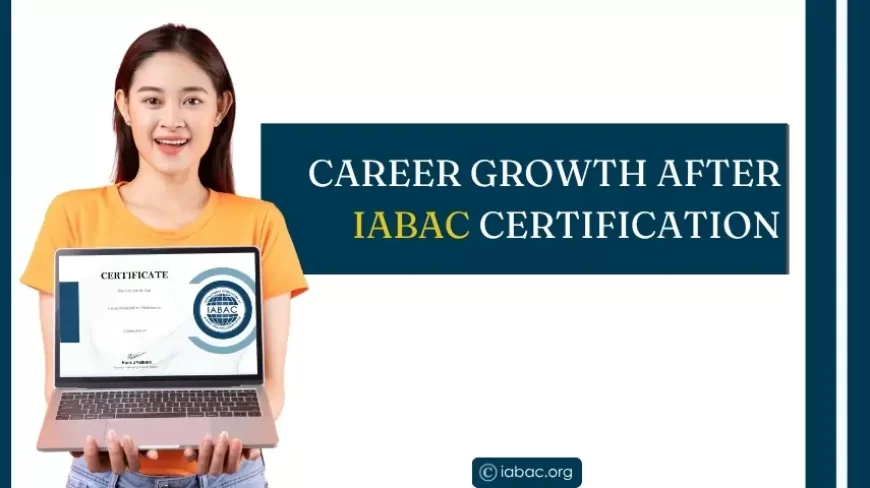
Career Growth After IABAC Certification
Learn how an IABAC certification supports career growth in 2026 by validating skills in data science, AI, analytics, and industry tools.

Many people reach a moment in their career when they ask themselves a simple question: “What should I learn next so that my career actually moves forward?”
Some people try short courses. Others watch hundreds of online tutorials. A few people collect certificates like souvenirs from a vacation. Yet after all that effort, they still wonder if it truly helped them grow professionally.
This is where IABAC Certification starts to make a meaningful difference.
The International Association of Business Analytics Certification (IABAC) provides certification programs that help professionals build strong knowledge in data science, analytics, and artificial intelligence. These certifications are not just pieces of paper; they are proof that a person understands important concepts and can apply them in professional work.
Through programs like Data Science Certifications, Business Analytics Certifications, Artificial Intelligence Certification, and Data Analytics Certifications, many professionals have improved their career opportunities and confidence. This article explains how careers grow after completing an IABAC certification, how the training ecosystem works, and why professionals from different parts of the world choose this learning path.
What Is IABAC Certification?
The International Association of Business Analytics Certification (IABAC) is a global organization that provides professional Certifications in data science, artificial intelligence, analytics, and business analytics.
Professionals from many countries take these certifications to build their skills and improve their job opportunities.
The official certification programs are available on the IABAC certification page:
https://iabac.org/certifications
The certifications are organized into several main categories.
These certifications teach professionals how to work with data, analyze patterns, and create useful insights. Topics usually include programming, machine learning basics, and practical projects.
Artificial Intelligence Certification
These certifications focus on how machines can learn from information and perform tasks such as pattern recognition, text analysis, and prediction.
These programs focus on analyzing information and creating visual reports that help organizations understand their performance.
Business Analytics Certifications
Business analytics connects technical analysis with business decisions. Professionals learn how to interpret data and help organizations plan their next steps.
Each certification program helps professionals build practical skills and confidence.
Why Certifications Matter for Career Growth
Many professionals spend years working hard but still struggle to stand out during job applications. Employers often receive hundreds of resumes for a single position. A certification can help show that a candidate has structured training and verified knowledge.
But certification offers more than just a credential.
Professionals who complete IABAC Certification often experience several improvements:
• better understanding of technology
• stronger confidence during interviews
• practical knowledge that can be applied at work
• improved professional reputation
• global recognition of skills
It is similar to learning how to cook properly after years of guessing recipes. Suddenly, things start making sense.
The Role of Data Science Certifications in Careers
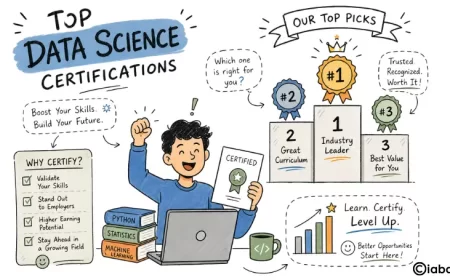
Among all the available programs, Data Science Certifications are especially popular.
Organizations everywhere rely on professionals who can analyze information and help make better decisions.
A data science professional usually works with tasks such as:
• collecting information
• organizing datasets
• identifying patterns
• creating predictive models
• building automation systems
These tasks help companies answer important questions such as:
• Which product will sell better next year?
• Why are customers leaving a service?
• How can operations become more efficient?
Data science professionals help organizations solve these puzzles using technology and logical thinking.
Sometimes the process feels like detective work, except the clues are hidden inside spreadsheets instead of crime scenes.
Artificial Intelligence Certification and Career Opportunities
Artificial intelligence has become one of the most exciting areas of technology.
AI systems help machines perform tasks such as recognizing speech, understanding text, or identifying objects in images.
Professionals who complete Artificial Intelligence Certification gain knowledge about machine learning models and intelligent systems.
These skills are used in many industries:
• healthcare technology
• finance
• transportation
• online services
• manufacturing
• education
For example, AI systems help hospitals analyze medical images and assist doctors with diagnosis. Online platforms use AI to recommend movies, music, and products.
Behind the scenes, AI professionals design systems that make these features possible. Sometimes it feels like teaching computers how to think… although computers still refuse to make coffee.
Data Analytics Certifications and Business Insights
Not every professional working with data needs to build complex algorithms. Many organizations need experts who can interpret information clearly.
This is where Data Analytics Certifications become valuable.
Data analysts examine datasets and create reports that help managers understand trends and performance.
Typical tasks include:
• cleaning and organizing datasets
• creating dashboards
• preparing reports
• identifying patterns in customer behavior
• supporting decision-making teams
A good data analyst can turn confusing spreadsheets into clear visual stories.
Instead of staring at endless rows of numbers, decision makers can quickly understand what is happening inside the organization.
Business Analytics Certifications and Strategy
While data analysts focus on interpretation, Business Analytics Certifications connect data insights with strategy.
Business analytics professionals help organizations answer questions like:
• Which markets should the company expand into?
• Which marketing campaigns work best?
• How can costs be reduced while maintaining quality?
These professionals work closely with management teams and often influence important business decisions.
Their role is like translating technical information into business language that leaders can understand.
Authorized Training Partners (ATP)
A key part of the IABAC ecosystem is the network of Authorized Training Partners (ATP).
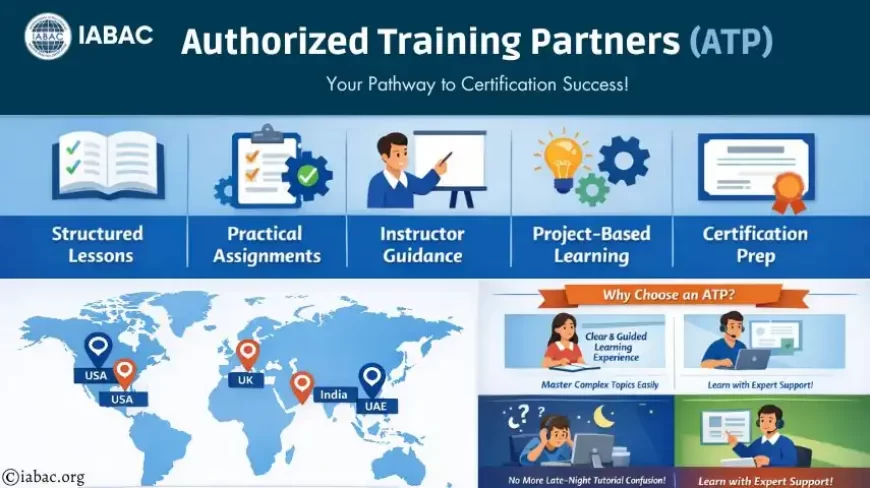
ATP institutions provide training programs that prepare professionals for certification exams.
These training partners are located in different countries and offer courses that follow IABAC learning guidelines.
Training programs often include:
• structured lessons
• practical assignments
• instructor guidance
• project-based learning
• certification preparation
Learning through an ATP can make the journey smoother, especially for beginners who want clear guidance.
It is much easier to learn complex topics when someone explains them properly instead of trying to decode random online tutorials at midnight.
IABAC Exam Portal
After training is complete, candidates can take their certification exams through the IABAC exam portal.
This system allows professionals to:
• register for certification exams
• schedule assessments
• access exam instructions
• receive certification results
The portal helps maintain consistency for candidates around the world.
Whether someone is in Europe, Asia, or North America, the certification process remains organized and structured.
Certification Verification System
One important feature of IABAC Certification is the verification system.
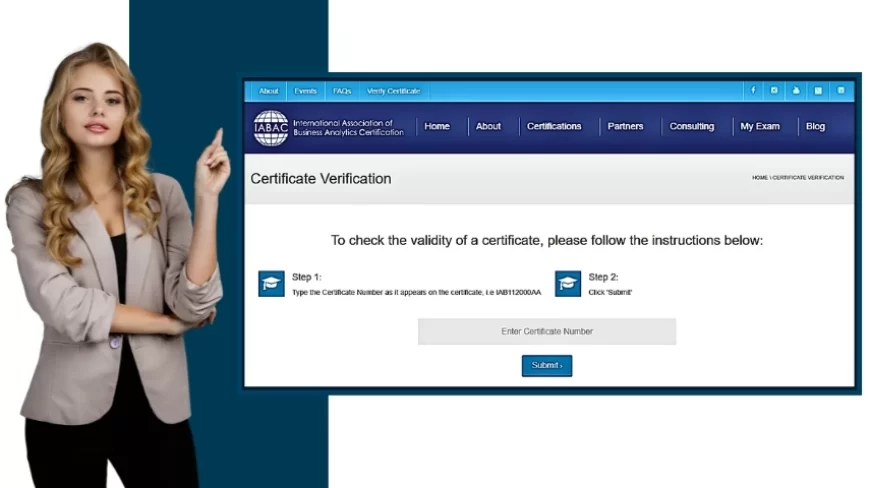
Employers often want to confirm whether a certificate is genuine. The verification platform allows organizations to check certification details easily.
This helps build trust between professionals and employers.
When a hiring manager sees a verified certification, it provides confidence that the candidate has completed the required learning process.
Free Webinars and Learning Opportunities
Learning does not stop after certification.
IABAC also offers free webinars and knowledge sessions where professionals can learn about new technologies and industry trends.
These webinars often cover topics such as:
• artificial intelligence tools
• machine learning concepts
• analytics techniques
• industry case discussions
Professionals from different countries can join these sessions and continue improving their knowledge.
Sometimes these webinars also create networking opportunities where learners connect with others who share similar interests.
IABAC Events
International Association of Business Analytics Certifications regularly conducts global virtual events and free webinars focused on datascience, business analytics, artificial intelligence, and career growth. Recent sessions have covered topics such as AI effectiveness, prompt engineering, speech AI, ethical AI, cybersecurity, healthcare, and the future job market. IABAC also hosts career-oriented events like “How to Become an AI Engineer” and “How Can Certifications Help in Your Career?” These events support learners, professionals, ATP partners, and organizations by providing industry insights, networking opportunities, and practical guidance related to Data Science Certifications, Business Analytics Certifications, Artificial Intelligence Certification, and Data Analytics Certifications through the official IABAC events page.
Consulting Services
Another part of the IABAC ecosystem is consulting services.
These services help organizations implement analytics and artificial intelligence solutions.
Consulting projects may involve:
• building AI systems
• designing analytics platforms
• improving business processes
• supporting digital innovation
These initiatives connect certified professionals with real industry projects.
It shows how knowledge learned during certification programs can be applied inside organizations.
Career Roles After Certification
Professionals who complete IABAC Certification often explore several career paths.
Some common roles include:
• Data Scientist
• Data Analyst
• Machine Learning Engineer
• Business Intelligence Analyst
• AI Developer
• Analytics Consultant
• Data Engineer
These roles exist across many industries including healthcare, finance, retail, telecommunications, and technology companies.
Each role focuses on using information and technology to improve decision making.
Comparison Between Certification Programs
Many professionals compare certification providers before choosing a program. The table below shows a simple comparison between IABAC, Simplilearn, and IBM certifications.
|
Feature |
IABAC |
Simplilearn |
IBM |
|
Global certification |
Yes |
Training platform |
Technology company |
|
Focus on analytics |
Yes |
Yes |
Limited certification |
|
Certification verification |
Yes |
Not always available |
Depends on course |
|
Exam portal |
Yes |
Usually course-based |
Platform-based |
|
ATP training partner |
Yes |
Training programs |
Courses hosted online |
|
Consulting ecosystem |
Yes |
No |
Mainly technology |
|
Free learning webinars |
Yes |
Sometimes |
Depends on program |
|
Certification categories |
Data Science, AI, |
Mostly professional |
Technology-specific |
This comparison helps professionals understand the broader structure of the IABAC ecosystem.
The Emotional Side of Learning
Learning something new can sometimes feel overwhelming.
You might stare at a dataset wondering if the numbers are secretly laughing at you. You might watch tutorials late at night wondering why the code refuses to work.
But gradually things start to change.
Concepts become clearer. Patterns become easier to understand. Suddenly you can look at a dataset and say, “Ah, I know what is happening here.”
That moment feels surprisingly satisfying.
And somewhere along the way, you realize that the journey was worth it.
Global Opportunities
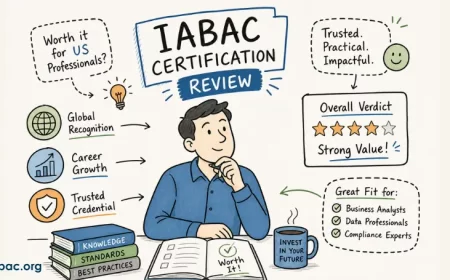
One important advantage of IABAC Certification is global recognition.
Professionals from many countries pursue these certifications, creating an international community of learners and experts.
This global reach helps professionals explore opportunities in different regions and industries.
Companies increasingly look for professionals who understand modern technologies and analytical thinking.
Certification helps demonstrate that knowledge.
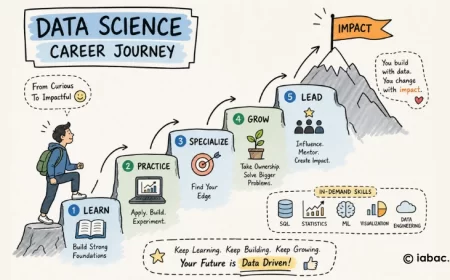
Career growth rarely happens overnight. It usually grows step by step through learning, practice, and experience. Programs such as IABAC Certification provide structured learning paths for professionals interested in datascience, Data Science Certifications, Artificial Intelligence Certification, Data Analytics Certifications, and Business Analytics Certifications. Through its ecosystem of Authorized Training Partners, certification exams, verification systems, consulting services, and free webinars, IABAC supports professionals throughout their learning journey. For many people, the certification becomes the moment when curiosity turns into a real career path.
And sometimes, after spending enough time working with data, you might even start enjoying spreadsheets.
That’s when you know something interesting has happened.