
























































Learn What is Artificial Intelligence with Examples
Learn what artificial intelligence is and see easy examples of how it's used in everyday life, from smart assistants to self-driving cars.


When I first started learning about Artificial Intelligence (AI), I was amazed by how much it could do. AI is changing so many areas of our lives, from healthcare to entertainment, and it’s having a huge impact on how we live and work. I’ll explain what AI is and show you some examples of how it's already being used in real life. Whether it's self-driving cars, recommendations on your favorite apps, or analyzing big amounts of data, AI is transforming the world in ways I never thought possible. Let’s look at how AI makes a difference in our daily lives.
What is Artificial Intelligence
Artificial Intelligence refers to the ability of computers or machines to perform tasks that usually require human intelligence. These tasks include decision-making, problem-solving, understanding language, and even seeing and recognizing things. AI uses data, algorithms, and pattern recognition to make decisions and improve its performance over time, often without needing human help.
Types of Artificial Intelligence
AI can be divided into three main types based on what it can do:

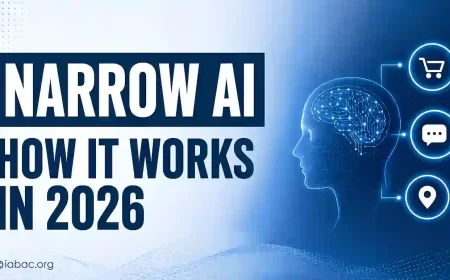
- Artificial Narrow Intelligence (ANI): ANI is AI that is designed to perform specific tasks, like voice assistants or recommendation systems. These AI systems are great at what they do, but they can’t do anything outside their given task. Siri and Alexa are examples of ANI. They can set reminders, play music, or answer questions, but they can’t do anything beyond their programming.
- Artificial General Intelligence (AGI): AGI refers to machines that can understand and learn any task that a human can. This type of AI can apply knowledge across many different areas. AGI has not been created yet, and it’s still just a concept. A future AI that can solve any problem or learn anything a human can, like understanding complex issues or interpreting human emotions.
- Artificial Superintelligence (ASI): ASI is the idea of AI that is smarter than humans in every way. It would be capable of doing things like creating new art, solving problems humans can’t, and making decisions far better than people can. ASI is still a futuristic idea. An AI that can solve global issues like climate change or manage entire economies without human help.
What is Artificial Intelligence with Examples
Now, let’s look at some real-world examples of how AI is used today:
1. AI in Healthcare
AI is making a big impact in healthcare by helping doctors diagnose diseases, analyze medical images, and suggest treatments that can detect signs of breast cancer in mammograms earlier than human doctors, which could lead to more lives being saved.
AI in Healthcare: Key Applications
AI in healthcare is transforming how we diagnose, treat, and manage health. Here are some key ways AI is being used:

- Medical Imaging & Diagnostics: AI helps doctors read X-rays, MRIs, and other images faster and more accurately.
- Predicting Health Risks: AI analyzes patient data to predict risks of diseases or complications.
- Personalized Treatment: AI helps create treatment plans tailored to each patient's unique needs, based on their genetics and medical history.
- Robotic Surgery: AI-powered robots assist surgeons in performing more precise and less invasive surgeries.
- Virtual Health Assistants: AI chatbots provide 24/7 support, answering patient questions and offering guidance.
- Drug Discovery: AI speeds up the process of finding new medicines by analyzing large amounts of data.
Overall, AI in healthcare improves efficiency, reduces errors, and helps doctors provide better care.
2. AI in Self-Driving Cars
AI helps self-driving cars understand the road, recognize signs, and avoid accidents.Tesla’s self-driving cars use AI to interpret data from sensors and cameras, allowing the car to drive itself safely without human input.
AI is making self-driving cars possible with several key technologies:

- Perception Systems: Sensors like cameras, LiDAR, and radar help the car see what's around it.
- Machine Learning & Vision: AI helps the car recognize other cars, road signs, and lane markings.
- Sensor Fusion: AI combines data from different sensors to get a clearer view of the surroundings.
- Localization & Mapping: AI uses GPS and maps to figure out the car’s exact location.
- Vehicle Control: AI controls the car’s steering, brakes, and acceleration.
- V2X Communication: AI helps the car communicate with other cars and traffic systems for safer driving.
These technologies help self-driving cars drive safely and efficiently.
3. AI in Online Shopping
AI is used in e-commerce to recommend products to customers based on their past shopping habits. Amazon suggests products to you based on what you’ve looked at or bought before, making your shopping experience more personalized.

AI in Online Shopping: Key Uses
- Personalized Recommendations: AI suggests products based on what you've looked at before.
- Chatbots: AI helps answer questions and find products quickly.
- Inventory Management: AI predicts which items need restocking.
- Dynamic Pricing: AI adjusts prices based on demand and competitors.
- Visual Search: AI lets you search using images instead of text.
- Fraud Detection: AI helps spot suspicious transactions.
AI in Online Shopping improves the shopping experience and helps stores increase sales.
What are the benefits of artificial intelligence?
- Faster Work: AI can automate repetitive tasks, which saves time and energy.
- Better Decisions: AI can process large amounts of data and give useful insights to help people make better decisions.
- Cost Savings: By automating tasks, businesses can save money on things like labor and resources.
- Personalized Services: AI can improve customer service by offering recommendations and tailored experiences.
What are the challenges of AI?
- Job Losses: AI and automation could replace certain jobs, especially in industries like customer service and manufacturing.
- Bias: AI systems can sometimes reflect the biases in the data they are trained on, leading to unfair results.
- Privacy Concerns: With AI using a lot of personal data, there are worries about how that data is used and protected.
What is Artificial Intelligence with Examples: How AI Works
Artificial Intelligence (AI) might sound complicated, but its basic ideas are actually simple. At its core, AI is about teaching computers to think, learn, and make decisions like humans do. In this article, we’ll explain how AI works and show you a couple of examples to make it easier to understand.
How does Artificial Intelligence work?
AI works by helping machines learn from data, make decisions, and improve their performance over time. The process of how AI works is usually broken down into four main steps:
- Collecting Data: For AI to function, it needs data. This data can come in many forms, like images, text, numbers, or sounds. The more quality data the system has, the better it can work.
- Training the AI Model: Once the data is collected, AI uses machine learning algorithms to look for patterns in it. This step helps the AI understand relationships within the data. The model learns by practicing with the data and adjusting itself to make predictions or recognize information.
- Making Decisions and Producing Results: After being trained, AI can use what it has learned to make decisions or give outputs. These outputs could include anything from identifying objects in a photo to recommending products or even translating languages.
- Improving Over Time (Continuous Learning): One of the powerful features of AI is that it gets better as it learns more. The system keeps adjusting itself based on feedback or new data, which allows it to improve its performance over time.
Types of Machine Learning in AI
AI uses different methods to learn from data. The most common is machine learning, which comes in three main types:

- Supervised Learning: In supervised learning, the AI is trained with data that already has labels or answers. For example, if you’re teaching the AI to recognize spam emails, you’ll give it examples of emails labeled as “spam” or “not spam,” so the AI learns to spot patterns.
- Unsupervised Learning: In unsupervised learning, the AI looks at data that doesn’t have labels. It has to find its own patterns or group similar things together. This type of learning is useful for tasks like identifying customer segments or spotting unusual activity.
- Reinforcement Learning: In reinforcement learning, the AI learns by trial and error. It makes decisions, gets feedback (like rewards or penalties), and adjusts its behavior based on the outcome. This method is commonly used in robotics and gaming.
So, what is Artificial Intelligence with examples? AI collects data, trains models with machine learning algorithms, makes decisions, and continuously learns from new information. Whether it's self-driving cars or AI-powered image recognition, the process is similar: the system collects data, finds patterns, makes decisions, and gets better with experience. These examples show how AI uses data and algorithms to mimic human intelligence, helping machines make decisions and improve as they learn more. As AI technology progresses, its ability to help in everyday life will only increase.