


























































What Does Data Science Do?
Understand what data science does, how data turns into decisions, real-world applications, skills, tools, careers, and why it matters today.


Why the Question “What Does Data Science Do” Matters More Than Ever
Data does not create value.
Dashboards do not create value.
Even advanced machine learning models do not create value on their own.
Decisions create value.
That is why people across industries keep asking the same question:
What does data science do, and why do organizations that understand it always seem to move faster, waste less, and make better decisions?
Most companies today are surrounded by data. Reports are generated daily. Metrics are tracked endlessly. Yet confusion still exists—growth stalls. Costs rise. Opportunities are missed. The problem is not a lack of data—it is the lack of understanding what the data is actually saying.
This is where data science becomes essential. Data science is not about collecting more information. It is about identifying what information matters, uncovering patterns humans cannot easily detect, and transforming uncertainty into clarity. When applied correctly, data science enables organizations to act before problems become visible and before opportunities are lost.
What Is Data Science? Understanding the Meaning Before Asking What Does Data Science Do
Before clearly answering what does data science do, it is important to understand what data science really is.
Data science is a discipline focused on extracting meaningful insights from data in order to support decisions. It combines analytical thinking, statistics, technology, and domain knowledge. But more importantly, it focuses on questions, not tools.
Data science exists because raw data has no value on its own. Numbers sitting in databases do nothing until they are analyzed, interpreted, and connected to real-world problems. Data science bridges this gap by transforming data into understanding.
So when people ask what does data science do, the simplest answer is this:
Data science helps people understand reality through evidence instead of assumptions.
What Does Data Science Do at Its Core?
At its core, what does data science do can be explained through one idea:
It replaces guesswork with evidence.
Organizations constantly face uncertainty:
-
Why did performance change?
-
Which customers are likely to leave?
-
What will happen if we change a strategy?
-
Where are risks hiding?
Data science addresses these uncertainties by analyzing historical data, identifying patterns, and predicting future outcomes. Instead of reacting after something goes wrong, data science allows organizations to anticipate and prepare.
This is why the true answer to what does data science do is not technical—it is strategic. Data science supports smarter, faster, and more confident decision-making.
Why Organizations Care Deeply About What Does Data Science Do
Understanding what does data science do has become critical because modern environments are too complex for intuition alone.
Markets change quickly. Customer behavior shifts constantly. Competition is global. Decisions based purely on experience or instinct are no longer enough.
Data science helps organizations:
-
Reduce uncertainty
-
Minimize risk
-
Improve efficiency
-
Optimize performance
-
Discover hidden opportunities
For example, instead of guessing why customers leave, data science identifies patterns that predict churn. Instead of reacting to fraud, data science detects suspicious behavior in advance. These outcomes exist because organizations understand what data science does and apply it effectively.
How Data Science Thinks: The Framework Behind What Does Data Science Do
To fully understand what does data science do, it helps to understand how data science approaches problems.
Data science typically operates through four layers of understanding:
-
Descriptive – What happened?
-
Diagnostic – Why did it happen?
-
Predictive – What is likely to happen next?
-
Prescriptive – What should be done about it?
This layered approach is what separates data science from basic reporting. It moves beyond summaries and toward actionable intelligence. When organizations apply this framework correctly, they no longer rely on assumptions—they rely on insight.
The Data Science Workflow: A Detailed Look at What Does Data Science Do Step by Step
Data Collection: The Starting Point of What Data Science Does
Everything begins with collecting relevant data. Understanding what does data science do requires recognizing how carefully data must be gathered.
Data comes from many sources: websites, mobile apps, transactions, sensors, surveys, and external platforms. It can be structured, like databases and spreadsheets, or unstructured, like text, images, and audio.
Data science ensures the right data is collected for the right purpose. Poor data collection leads to weak conclusions, which is why this step is foundational.
Data Cleaning: Why This Stage Defines What Data Science Does Well
Raw data is rarely usable. It often contains errors, duplicates, missing values, and inconsistencies. A large part of what does data science do involves preparing data so it becomes reliable.
Although this step is time-consuming, it is critical. Clean data ensures that analysis is accurate and predictions are trustworthy. Without this stage, even the most advanced models fail.
Data Exploration: Where Patterns Reveal What Data Science Does Best
Once data is prepared, data science explores it to understand behavior and relationships. Analysts look for trends, anomalies, and correlations.
Visualization plays an important role here. Charts and graphs help reveal insights that raw numbers cannot. This stage shows what does data science do beyond calculation—it uncovers stories hidden inside data.
Data Analysis and Modeling: The Predictive Side of What Does Data Science Do
At this stage, data science applies statistical methods and machine learning models to analyze patterns and make predictions.
Models are trained using historical data and tested to ensure accuracy. Whether forecasting demand or predicting customer behavior, this step represents a key part of what does data science do in practice.
Insights and Decision Support: The Final Purpose of What Does Data Science Do
Analysis alone has no value unless it leads to action. Data science translates findings into insights that decision-makers can understand and use.
This is where data science proves its real worth. The ultimate answer to what does data science do is that it helps organizations make better decisions based on evidence.
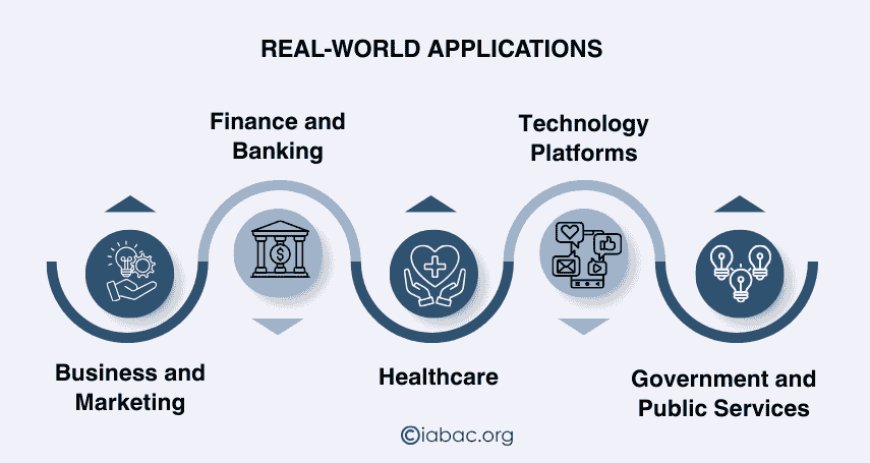
Real-World Applications That Clearly Show What Does Data Science Do
Business and Marketing
In business, data science analyzes customer behavior, segments audiences, and personalizes experiences. When people ask what does data science do in marketing, the answer lies in smarter targeting and higher engagement.
Finance and Banking
Banks use data science to detect fraud, assess risk, and improve credit decisions. Real-time transaction monitoring is a powerful example of what does data science do in high-risk environments.
Healthcare
Healthcare organizations rely on data science to predict disease risk, improve diagnosis, and optimize operations. These applications demonstrate how what does data science do can directly impact lives.
Technology Platforms
Search engines, recommendation systems, and voice assistants depend on data science. Each improvement in accuracy reflects what does data science do behind the scenes.
Government and Public Services
Governments apply data science to manage traffic, analyze crime patterns, and plan public health responses. These use cases show what does data science do at a societal scale.
Tools That Support What Does Data Science Do
Data science uses a variety of tools to work with data, but tools alone do not define what does data science do. The real value comes from understanding the problem and using the right tools to support analysis and decision-making.
Programming Languages
-
Python
Widely used for data cleaning, analysis, and modeling. Its simplicity and powerful libraries make it ideal for turning raw data into insights.
-
R
Commonly used for statistical analysis and data visualization, especially in research-focused fields like healthcare and finance.
Data Storage and Data Handling Tools
-
SQL
Essential for extracting and managing data from large databases. Used to query transaction data, customer records, and operational systems.
-
Excel / Spreadsheets
Useful for quick analysis, validation, and communication with non-technical teams.
Data Visualization Tools
-
Tableau and Power BI
Used to create dashboards and reports that make complex data easier to understand and act upon.
Machine Learning Libraries
-
Scikit-learn
Supports common machine learning tasks such as prediction, classification, and clustering.
-
TensorFlow / PyTorch
Used for advanced models like image recognition, language processing, and recommendation systems.
Big Data and Cloud Platforms
-
Spark / Hadoop
Handle very large datasets efficiently.
-
Cloud platforms (AWS, Azure, Google Cloud)
Provide scalable computing power and storage for data science projects.
Skills Required to Perform What Does Data Science Do Successfully
Understanding what does data science do also means understanding the skills that make it work. Data science is not only about tools or coding; it is about thinking clearly with data and communicating insights effectively.
Technical Skills
-
Statistical thinking
Helps interpret data correctly, identify patterns, and avoid misleading conclusions. -
Data handling and preparation
Ability to collect, clean, organize, and transform raw data into usable formats. -
Analytical reasoning
Breaking complex problems into smaller, logical questions that data can answer. -
Basic programming knowledge
Used to automate analysis, work with large datasets, and build predictive models.
Non-Technical Skills
-
Communication skills
Explaining insights in simple language so non-technical teams can act on them. -
Business understanding
Knowing how data insights connect to real goals such as growth, cost reduction, or efficiency.
-
Curiosity and problem-solving mindset
Asking the right questions instead of accepting surface-level answers. -
Storytelling with data
Turning numbers into clear narratives that support decision-making.
What Does Data Science Do on a Daily Basis?
On a daily basis, data scientists focus on turning information into decisions rather than just working with numbers.
-
Working with raw and processed data to answer specific questions
-
Collaborating with business, product, or technical teams to understand problems
-
Refining models and analysis based on new data or feedback
-
Creating reports, dashboards, or explanations for stakeholders
-
Continuously learning and improving methods as data changes
Everyday work in data science reinforces what does data science do — connecting data, insights, and decisions in a meaningful way.
Who Should Learn What Does Data Science Do?
Understanding what does data science do benefits:
-
Students planning careers
-
Professionals seeking growth
-
Career switchers
-
Managers making strategic decisions
-
Non-technical roles working with data
Data literacy is becoming essential across roles.
Is Data Science Difficult? A Practical Answer to What Does Data Science Do for Beginners
Data science often appears difficult because beginners are exposed to advanced terms and complex models too early. This creates the impression that the field is overwhelming. In reality, understanding what does data science do becomes much easier when it is learned step by step.
-
Data science builds gradually, starting with simple data concepts
-
You do not need advanced mathematics on day one
-
Practical learning reduces fear and confusion
-
Real understanding comes from applying concepts, not memorizing theory
When learners focus on fundamentals first, data science becomes logical, structured, and achievable rather than intimidating.
Career Opportunities Linked to What Does Data Science Do
Career roles in data science exist because organizations need professionals who can turn data into decisions. Anyone who understands what does data science do and how to apply it becomes valuable across industries.
-
Data Analyst – focuses on understanding past performance and trends
-
Data Scientist – builds models and insights to predict outcomes
-
Machine Learning Engineer – deploys models into real systems
-
Business Analyst – connects data insights with business strategy
Demand continues to grow in sectors such as technology, finance, healthcare, retail, and manufacturing because data-driven decision-making is now essential.
How to Start Learning What Does Data Science Do the Right Way
The best way to learn data science is by building a strong foundation before moving to advanced topics. Understanding what does data science do starts with learning how data supports decisions.
-
Learn basic data concepts and data types
-
Understand fundamental statistics and logical reasoning
-
Practice with real-world datasets to build confidence
-
Work on small projects to connect theory with application
-
Follow structured learning paths instead of random tutorials
Guided programs and certifications help learners stay focused and understand how data science works in real scenarios.
The Future of Data Science: Why Understanding What Does Data Science Do Matters Long-Term
As automation, artificial intelligence, and digital transformation continue to grow, data science will play an even bigger role in decision-making. Organizations will increasingly rely on professionals who understand what does data science do and can guide actions using data.
-
Data-driven decisions will replace intuition-based choices
-
Data literacy will become a core professional skill
-
Data science will influence every major industry
-
Those who understand data science early will gain a long-term advantage
Understanding data science today is not just about learning a skill—it is about preparing for the future of work and decision-making.
The True Answer to What Does Data Science Do
So, what does data science do?
It transforms data into understanding.
It replaces assumptions with evidence.
It enables better decisions before problems appear.
Data science is not just a technical field—it is a decision-making discipline. As data continues to grow, the ability to understand and apply data science will define success.