
















































How a Data Analyst Certificate Can Help You Switch Careers
Boost your career change with a Data Analyst Certificate. Gain in-demand skills to land high-paying, flexible roles in today’s data-driven world.


Changing careers is like switching lanes on a busy road — you know your destination, but the change can feel hard. Today, data is at the center of many decisions, and data analytics is a fast-growing field. A data analyst certificate can help you enter it. In just a few months, you can learn the skills to work with data without starting your career over. No matter if you’re in marketing, finance, healthcare, or another field, analytics can turn your experience into a new career direction.
Why Data Analytics Has Become a Career Destination
In the past ten years, data has changed from being just a result of work to becoming the foundation for most business decisions. Companies use it to plan how much they need to produce, make their processes run better, improve customer experiences, and measure how well they are doing.
The numbers tell the story:
-
The U.S. Bureau of Labor Statistics projects 23% job growth in data-related occupations between 2021 and 2031.
-
Glassdoor ranks data analyst roles consistently among the top 50 jobs in the U.S., with median salaries in the $70,000–$85,000 range for mid-level professionals.
-
LinkedIn’s “Jobs on the Rise” report notes a steady increase in hiring for analytics roles across industries, not just in tech.
The appeal goes beyond salary. Analytics roles often offer clear career progression, the flexibility to work across sectors, and in many cases, the option to work remotely.
What a Data Analyst Certificate Is — and Isn’t
A data analyst certificate is a structured learning program that focuses specifically on the tools, methods, and business understanding required for analytics roles. Unlike a degree, which often covers a broad academic foundation, a certificate is usually practical, condensed, and centered on skills you can use immediately in the workplace.
Typically, a program will cover:
-
Data management: Querying databases using SQL; cleaning and structuring datasets in Excel.
-
Programming for analysis: Applying Python or R for calculations, automation, and statistical work.
-
Data visualization: Creating dashboards and reports in Tableau, Power BI, or similar tools.
-
Statistics and business metrics: Understanding how to test hypotheses and interpret KPIs.
What it’s not:
-
It won’t turn you into a senior data scientist overnight.
-
It’s not a substitute for experience — it’s a stepping stone.
-
It won’t automatically guarantee a job, but it can make you a much stronger candidate.
Why a Certificate is a Practical Career-Change Tool
Changing careers involves two key challenges:
-
Gaining relevant skills in the new field.
-
Convincing employers that you can apply them.
A certificate program addresses both. It gives you a recognized credential and the chance to build a portfolio of work. It also provides a structured way to learn, which is important if you’re balancing study with other commitments.
Compared to self-teaching, a certificate program usually:
-
Offers a curated curriculum without the guesswork of what to learn next.
-
Includes hands-on projects to apply knowledge.
-
Gives you a timeline, helping you stay accountable.
-
May provide career services, such as resume reviews or interview prep.
Transferring Your Current Experience into Analytics
One of the biggest misconceptions about switching to analytics is that your previous experience no longer matters. In reality, it can be one of your strongest assets.
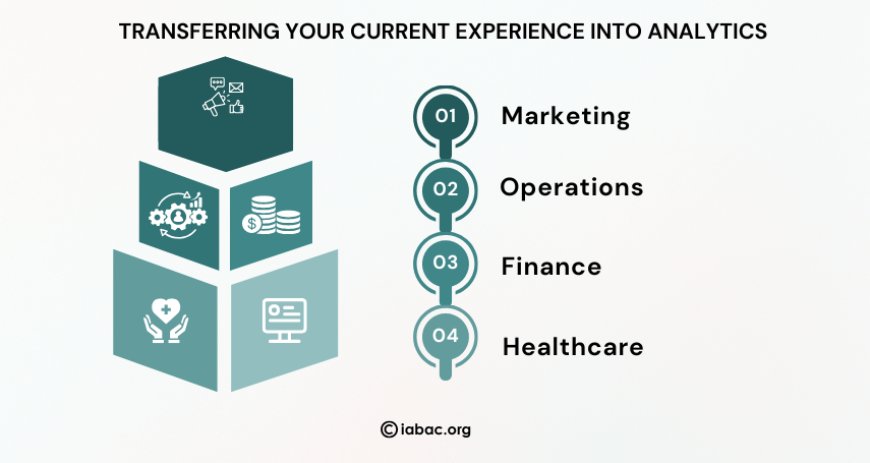
Here’s how different backgrounds can translate:
-
Marketing: Use analytics to measure campaign performance, segment audiences, and track conversions.
-
Operations: Apply data to optimize supply chains, reduce bottlenecks, and improve efficiency.
-
Finance: Forecast budgets, detect patterns in spending, and assess investment performance.
-
Healthcare: Analyze patient data to improve care delivery and resource allocation.
A certificate equips you with the technical side, but your industry knowledge helps you ask the right questions and interpret results in context — something that’s just as important as running the analysis itself.
Skills You’ll Gain and Why They Matter
A strong data analyst certificate program typically develops three categories of skills:
1. Technical Skills
-
SQL: Retrieving, filtering, and joining datasets from databases.
-
Excel: Cleaning, organizing, and analyzing structured data.
-
Python or R: Automating tasks, running statistical analyses, working with libraries like pandas or ggplot2.
-
Visualization tools: Designing interactive dashboards in Tableau or Power BI.
2. Analytical Skills
-
Spotting trends, patterns, and anomalies in datasets.
-
Applying statistical methods to test assumptions.
-
Translating raw results into recommendations.
3. Business Understanding
-
Knowing which KPIs matter for different objectives.
-
Linking data findings to operational or strategic decisions.
-
Communicating insights to both technical and non-technical audiences.
In practice, employers value candidates who can combine these skills — not just run the analysis, but also explain why it matters and how it can be acted on.
The Role of Projects and Portfolios
For career changers, showing evidence of ability is often more persuasive than listing qualifications. That’s where the portfolio comes in.
Many certificate programs include capstone projects — substantial assignments based on realistic data challenges. Examples might include:
-
Analyzing sales data to recommend pricing strategies.
-
Segmenting customers based on demographics and purchase behavior.
-
Forecasting demand for a product line using historical data.
-
Visualizing healthcare outcomes to identify areas for improvement.
These projects can be hosted on platforms like GitHub or showcased in a personal website, giving potential employers something tangible to review.
Choosing the Right Certificate Program
Not every program will be a good fit. Before enrolling, consider:
-
Curriculum depth: Does it include both technical tools and business context?
-
Industry recognition: Is it backed by a reputable organization (e.g., Google, IBM, Microsoft) or a respected university?
-
Learning format: Is it self-paced, live online, or in-person?
-
Hands-on work: Will you leave with completed projects?
-
Career support: Are there resume workshops, job boards, or interview prep sessions?
Examples of recognized programs include:
-
IABAC Data Analytics Certification (International Association of Business Analytics Certifications)
-
Microsoft Data Analyst Associate Certification
-
University-led programs on platforms like edX
Steps After Earning Your Certificate
A certificate is the start of your new career journey. Here’s how to build on it:
-
Update your resume and LinkedIn profile to highlight new skills and showcase portfolio work.
-
Network actively by joining analytics communities, attending virtual meetups, and engaging with professionals online.
-
Target bridge roles like reporting analyst, business analyst, or marketing analyst to gain initial experience.
-
Continue learning by deepening technical skills or exploring domain-specific analytics relevant to your target industry.
Common Challenges and How to Overcome Them
Challenge 1: Competing with candidates who have degrees in data science
-
Focus on your portfolio and relevant industry expertise. Employers often value practical results over academic background.
Challenge 2: Learning technical tools from scratch
-
Break learning into daily practice sessions and apply concepts to data from your own field to make it more relatable.
Challenge 3: Getting the first analytics role
-
Be flexible with job titles. Roles with “reporting,” “insights,” or “business intelligence” in the title often involve analytics and can lead to more specialized positions.
The Return on Investment
While salaries vary by location and experience, many professionals see significant ROI from a data analyst certificate:
-
Higher earning potential compared to non-analytics roles in the same sector.
-
Access to remote work opportunities.
-
A skill set that remains relevant even as industries evolve.
When measured in long-term career mobility, the cost and time investment of a certificate can be relatively small compared to the opportunities it unlocks.
Switching careers is a strategic move, and success comes from aligning your skills with market demand. A data analyst certificate offers a focused, efficient way to develop in-demand capabilities and signal readiness to employers.
The certificate alone isn’t the end goal — it’s a starting point. Pair it with consistent practice, a strong portfolio, and proactive networking, and you’ll have a clear path into analytics roles across industries.
Data will only become more central to how organizations operate. By stepping into analytics now, you’re positioning yourself in a field where curiosity, problem-solving, and evidence-based thinking are not just valued — they’re essential.