













































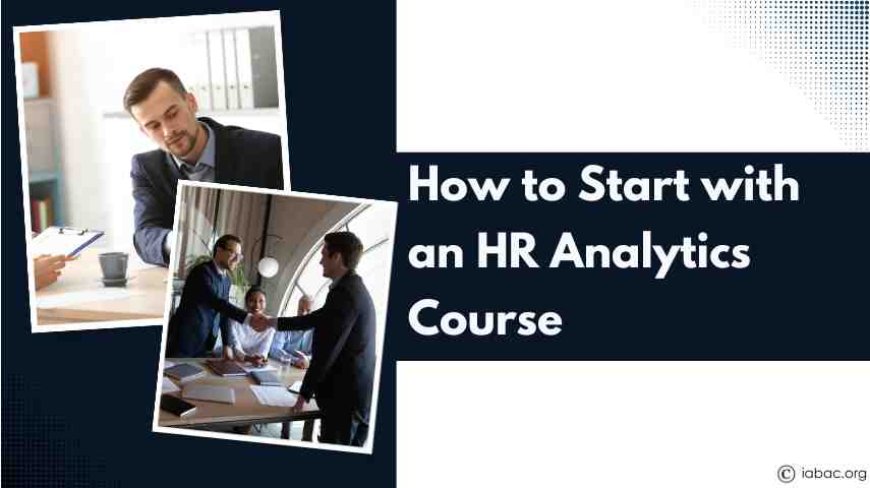
How to Start with an HR Analytics Course
Learn how to start with an HR Analytics course. Get clear steps to build skills, boost your HR career, and make data-driven decisions effectively.

Starting an HR Analytics Course was one of the best choices I’ve made in my career. I remember starting with curiosity, eager to learn how data can improve HR decisions. With the growing focus on data-driven strategies, learning HR analytics felt like gaining a powerful skill for the workplace. The course taught me about predictive modeling, employee metrics, and tools that have become part of my daily work. This course exceeded my expectations as someone who values practical and useful knowledge. An HR Analytics Course is worth considering if you want to strengthen your HR skills and stay ahead in your career.
How to Start with an HR Analytics Course: A Guide for Beginners
The role of Human Resources (HR) is changing. It's no longer just about hiring and managing employees but about using data to predict trends, improve engagement, and create better workforce strategies. This shift is powered by HR Analytics—an approach that uses data to solve HR challenges and make smarter decisions.
If you're interested in combining data analysis with managing people, taking an HR Analytics Course is a great way to begin. This guide will explain what an HR Analytics Course is, why it's important, and how to get started. Whether you're already in HR or just starting out, this guide will make the process simple and clear.
What Is an HR Analytics Course?
An HR Analytics Course teaches you how to collect, analyze, and understand HR-related data. It combines ideas from data analysis, statistics, and HR management. By learning these skills, you can:
-
Track workforce performance.
-
Predict employee turnover.
-
Improve hiring processes.
-
Boost employee satisfaction.
-
Make HR strategies align with company goals.
You’ll also get hands-on training in tools like Microsoft Excel, Tableau, and HR analytics platforms. Topics include methods like regression analysis, basic machine learning, and creating clear, data-driven reports. By the time you finish, you’ll be ready to switch from traditional HR work to a modern, data-driven approach.
Why Take an HR Analytics Course?

-
Rising Demand for Skills: Companies want HR professionals who can use data to solve problems and guide decisions. With this skill, you’ll stand out in a competitive job market.
-
Career Growth: Learning HR analytics can help you get roles like HR Analyst, People Analytics Specialist, or HR Data Consultant.
-
Smarter Decisions: Instead of guessing, you’ll learn to use data to make informed decisions about hiring, retention, and employee satisfaction.
-
Better Communication with Leaders: HR analytics helps you explain decisions to company leaders using facts and numbers, showing the value of HR strategies.
Steps to Start Your HR Analytics Course
Getting started may seem challenging, but breaking it into steps makes it manageable.
Step 1: Check Your Current Skills
Think about your current knowledge. Are you familiar with HR but new to analytics? Or are you good at data but new to HR? Knowing where you stand will help you pick the right course.
Step 2: Choose the Right Course
Look for a course that matches your level and goals. Here’s what to check:
-
Topics Covered: Does it include data visualization, HR metrics, and predictive modeling?
-
Instructor Experience: Are the trainers experts in HR analytics?
-
Projects: Does it include real-life projects or case studies?
-
Certification: Will you earn a certificate to add to your resume?
Step 3: Learn Basic Data Skills
Before starting, get comfortable with:
-
Spreadsheets: Practice using Excel or Google Sheets, including pivot tables and charts.
-
Data Visualization Tools: Try tools like Tableau or Power BI.
-
Basic Statistics: Understand averages, correlations, and percentages.
Step 4: Make a Study Plan
Set aside time each week to complete lessons, practice, and work on projects. Even an hour a day can make a big difference.
Step 5: Join a Community
Find online forums or groups for HR Analytics. Connecting with others helps you learn and stay motivated.
Step 6: Practice What You Learn
Start working on small projects using HR data. If you’re already in HR, analyze simple datasets from your workplace. If not, use public data or course projects to practice.
What to Expect in an HR Analytics Course
A good HR Analytics Course mixes theory and practice. Here’s what you’ll learn:
-
Key Topics
-
Basics of HR Analytics: What it is and why it matters.
-
HR Metrics: Measuring hiring, retention, and engagement.
-
Collecting Data: Tips for gathering and cleaning HR data.
-
Analyzing Data: Tools like regression and clustering.
-
Presenting Insights: Creating dashboards and reports.
-
Hands-On Projects
Courses often include practical projects like predicting employee turnover or improving recruitment strategies. -
Certification
At the end, you’ll get a certificate to prove your skills to future employers.
The Future of HR Analytics
As tools like artificial intelligence grow, HR analytics is becoming more powerful. Companies can now predict trends and act before problems happen. By taking an HR Analytics Course, you’ll be ready to join this future and become a key player in modern HR.
Limitations of HR Analytics
HR analytics provides useful insights about employees, but it has some challenges. Poor data quality, separate data systems, and outdated information can lead to inaccurate results. Handling sensitive employee data also raises privacy and ethical issues, which can cause mistrust or even misuse of the information. Another problem is that many HR professionals don’t have the skills needed to analyze data effectively. Relying too much on software can lead to errors or misinterpretation. Factors like employee morale and workplace culture are difficult to measure, and predictive models only offer possibilities, not guaranteed outcomes.
In addition, some organizations resist using data-driven approaches, and the high costs of implementing HR analytics tools can be a barrier. Following regulations like data protection laws adds another layer of difficulty, making compliance tricky. For those considering an HR Analytics Course, it’s important to learn how to handle these limitations. With proper management and the right training, HR analytics can still be a powerful tool to improve workforce decisions.
Tips for Success in HR Analytics
-
Stay Curious
Keep learning about new tools and trends in HR analytics. -
Practice Often
Spend time working with datasets to sharpen your skills. -
Ask for Feedback
Share your projects with others to get ideas and improve. -
Use Extra Resources
Watch free tutorials, read blogs, or attend webinars to learn more.
Taking an HR Analytics Course is a smart step toward a successful career. You’ll learn to make decisions with data, improve workplace results, and become an expert in a growing field. Follow the steps in this guide, and you’ll not only succeed in your course but also set yourself up for a rewarding future in HR analytics. Get started today, and take the first step toward transforming how HR works!