





















































Why Data Science Certifications for Career Growth
why data science certifications are crucial for advancing your career. Learn how they enhance skills, increase job prospects, and boost professional growth.


As I explore the field of data science, it’s clear how crucial it is to analyze data for businesses to make smart decisions. Data science combines math, coding, and business knowledge to solve problems and uncover valuable insights. With more and more businesses depending on data, the need for data science experts is growing. This is why data science certifications are essential for career growth. They show that you have the right skills and can help you get new job opportunities and advance in your career.
This explains why obtaining a data science certification is essential for career advancement. It covers how certifications demonstrate your skills, open up new job opportunities, boost earning potential, and keep you updated with the latest trends. For anyone looking to grow in the data science field, understanding the value of these certifications is a key step in planning their career path.
Overview of Data Science
Data science is all about using data to make smart decisions. It combines skills from math, computer programming, and industry knowledge to look at large amounts of data, find patterns, and solve problems.
What It Involves
Data science is about working with data to find useful information.
-
Gathering Data: First, you collect data from various sources, like customer surveys, sales records, or social media.
-
Cleaning Data: Next, you clean the data to fix any mistakes or remove any irrelevant information. This makes sure the data is accurate and useful.
-
Analyzing Data: Then, you look at the cleaned data to find patterns or trends. This means using different techniques to understand what the data is telling you.
By doing these steps, data science helps businesses make decisions based on solid evidence rather than just guessing. For example, a company might use data science to figure out what products customers like the most, which helps them make better choices about what to sell.
Key Skills Needed
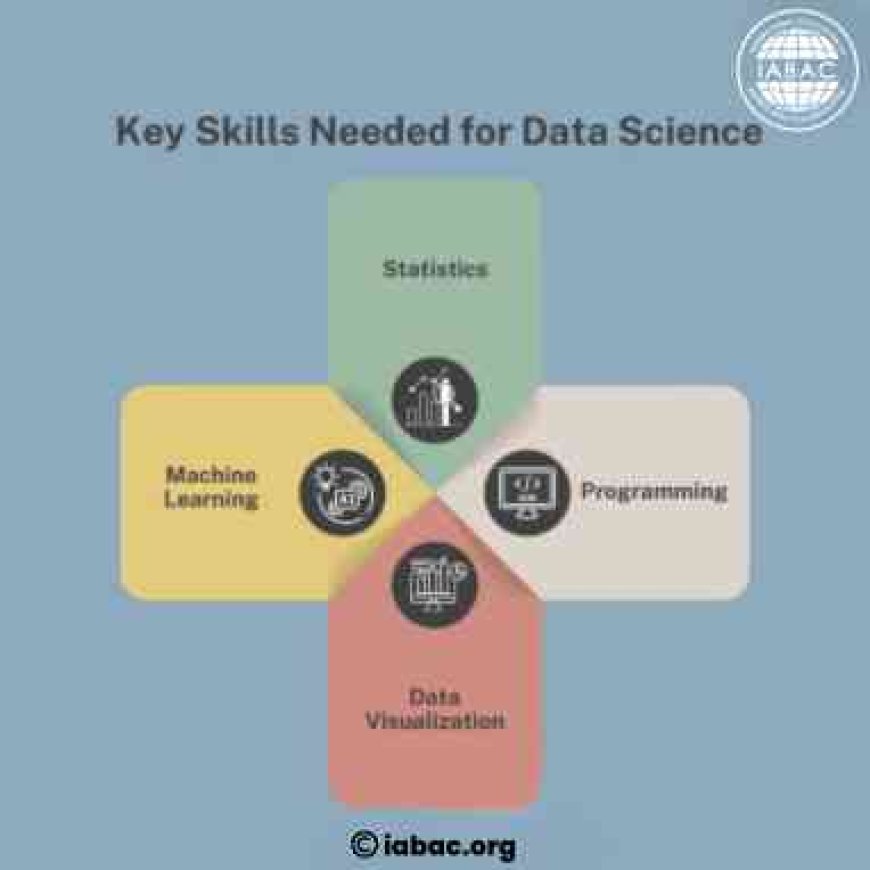
To work in data science, you need a few important skills:
-
Statistics: This skill helps you understand what data is showing. For example, it helps you figure out how data is spread out and what the numbers mean.
-
Programming: You need to know how to use programming languages like Python or R. These languages help you handle and analyze data by writing code.
-
Data Visualization: This skill is about making charts and graphs to clearly show the results of your data analysis. It helps others easily understand what the data reveals.
-
Machine Learning: This involves using special algorithms to predict future trends or sort data into categories. For example, it can help you forecast sales or identify patterns in customer behavior.
Tools and Technologies
Data scientists use various tools and technologies to work with data.
-
Programming Languages:
-
Python and R are popular languages used to write code for handling and analyzing data. They help data scientists perform tasks and run analyses efficiently.
-
Data Analysis Tools:
-
SQL is used to manage and query databases. It helps in retrieving and organizing data from large datasets.
-
Excel is a spreadsheet tool that’s useful for basic data analysis and creating simple charts and graphs.
-
Visualization Tools:
-
Tableau and Power BI are tools used to create visual representations of data, like charts and dashboards. They help in presenting data clearly and interactively so others can easily understand the results.
-
Machine Learning Frameworks:
-
TensorFlow and Scikit-learn are tools used to build and apply machine learning models. These models can predict future trends or classify data based on patterns.
Applications of Data Science
Data science is used in various fields to solve problems and make better decisions. Here’s how it applies to different areas:
-
Business:
-
Data science helps companies run more efficiently, make their customers happier, and grow their business. For example, it can help streamline operations or identify new market opportunities.
-
Healthcare:
-
In healthcare, data science is used to analyze patient information to improve treatments and health outcomes. For instance, it can help doctors understand which treatments work best for different conditions.
-
Finance:
-
Data science helps in detecting fraud, managing financial risks, and predicting market trends. For example, it can identify unusual patterns that might indicate fraudulent activity or forecast how stock prices might change.
-
Retail:
-
In retail, data science is used to understand what customers want, tailor marketing efforts, and manage inventory. For example, it can analyze shopping habits to recommend products or optimize stock levels to prevent shortages.
How Data Science Certifications Are Essential for Career Growth
Data science certifications are important for several reasons:
-
Proves Your Skills: Data science certifications show that you have the skills and knowledge needed for data science. It provides proof to employers that you are qualified to handle data analysis and other tasks.
-
Improves Job Prospects: Many companies look for certifications when hiring data scientists. Having a certification can help you stand out from other candidates and increase your chances of getting hired.
-
Helps You Get Promoted: Data science certifications can help you advance in your current job. They show your commitment to learning and can qualify you for higher-level positions or promotions.
-
Increases Earning Potential: Certified data scientists often earn more. Having a certification can help you negotiate a higher salary and improve your earning potential.
-
Specializes Your Skills: Certifications often focus on specific areas, like machine learning or big data. This specialized knowledge can make you more valuable and open up new opportunities in those areas.
-
Connects You with Professionals: Getting certified often involves joining professional networks and communities. This can help you meet others in the field and build valuable connections.
-
Keeps You Updated: The field of data science is always changing. Certifications help you stay up-to-date with the latest tools, technologies, and methods.
-
Builds Confidence: Earning a certification boosts your confidence. It confirms that you have the expertise needed to tackle data science challenges.
Who Can Do Data Science Certification
Data science certifications are suitable for anyone who wants to build or advance their career in data science, regardless of their current level or background.
-
Beginners: If you're new to data science, Data science certifications can help you learn the basics and get started in the field.
-
Professionals Looking to Shift Careers: If you’re working in another field but want to move into data science, Data science certifications can provide the skills needed to make the switch.
-
Current Data Scientists: If you’re already working in data science, a certification can help you specialize in a specific area or stay updated with the latest techniques and tools.
-
Students: If you’re studying data science or a related subject, getting certified can enhance your learning and make you more attractive to employers.
-
Managers and Executives: For those in leadership roles who want to understand data science better or oversee data projects, Data science certifications can provide valuable insights into the field.
Job Opportunities After Data Science Certifications
Data science certifications open up a range of job opportunities in various fields. These roles involve analyzing data, building systems, and applying advanced techniques to help businesses and organizations achieve their goals.
-
Data Scientist: Analyze complex data to find patterns and insights that help businesses make better decisions.
-
Data Analyst: Use data to create reports and visualizations that help companies understand their performance and trends.
-
Machine Learning Engineer: Develop and implement machine learning models and algorithms to make predictions and automate tasks.
-
Data Engineer: Build and maintain the systems and infrastructure that store and process data, ensuring it’s accessible and useful for analysis.
-
Business Intelligence (BI) Analyst: Use data to create reports and dashboards that help businesses track key metrics and make informed decisions.
-
Quantitative Analyst: Apply mathematical models and techniques to analyze financial data and support investment decisions.
-
Big Data Specialist: Work with large datasets and use tools to manage, analyze, and extract valuable insights from big data.
-
Data Science Consultant: Advise companies on how to use data science techniques to solve business problems and improve operations.
-
Data Architect: Design and manage data systems and databases to ensure efficient storage and retrieval of data.
-
Product Analyst: Analyze data related to product performance and user behavior to guide product development and marketing strategies.
Data science certifications are important for advancing your career in this dynamic field. They provide clear proof of your skills and knowledge, making you more attractive to employers and helping you stand out in job applications. With a certification, you open up a range of job opportunities, from data scientist to machine learning engineer, and position yourself for promotions and higher salaries. Certifications also offer specialized expertise in areas like machine learning and big data, keeping you updated with the latest industry trends and technologies. Additionally, they provide valuable networking opportunities and build your confidence. Overall, pursuing a data science certification is a strategic move that enhances your career prospects, supports professional growth, and sets you up for long-term success in the data science field.