






























































How Does AI in Manufacturing Improve Efficiency?
AI in manufacturing improves efficiency by reducing downtime, enhancing quality, optimizing processes, and enabling faster, data-driven production decisions.

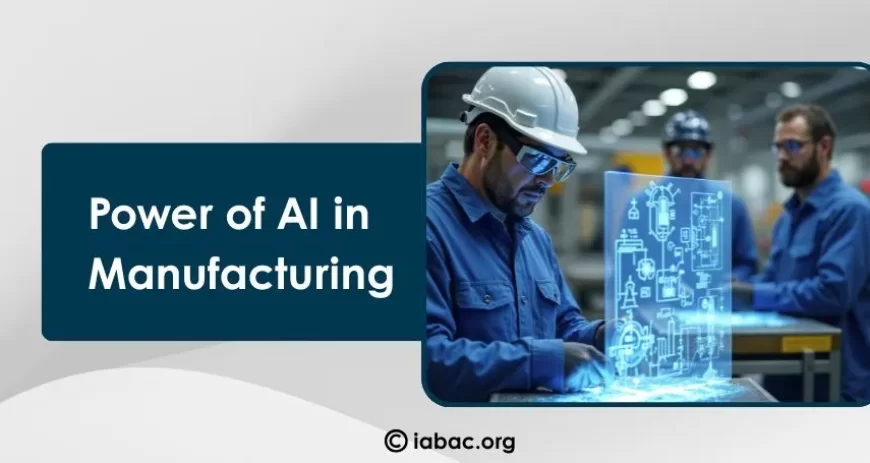
Manufacturing teams constantly face pressure to produce faster while keeping costs under control and maintaining consistent quality. As operations grow more complex with multiple machines, systems, and data streams running together, even small inefficiencies can quickly disrupt output and performance.
AI in manufacturing addresses this by turning production data into real-time insights. It helps identify issues early, optimize processes as they run, and support faster, more accurate decisions. This shift from reactive problem-solving to proactive optimization enables manufacturers to maintain stability, improve productivity, and achieve consistent efficiency across operations.
What is AI in Manufacturing?
AI in manufacturing brings together technologies like machine learning, computer vision, and data analytics to improve how production systems operate. By continuously analyzing data from machines and processes, it enables automation, early issue detection, and better performance across the production line.
This directly improves efficiency by identifying what is slowing down operations and addressing it before it escalates. Instead of reacting to problems after they occur, manufacturers can take a proactive approach to maintaining smooth and consistent production.
In practical terms, AI contributes to efficiency by:
-
Processing large volumes of data in real time
-
Identifying bottlenecks across workflows
-
Predicting potential issues before they occur
-
Supporting faster and more accurate decision-making
The result is a production environment that is more responsive, stable, and consistently optimized.
How AI Reduces Machine Downtime
Unexpected downtime is one of the biggest obstacles to efficiency. When a machine fails suddenly, it disrupts the entire workflow and leads to delays, increased costs, and missed deadlines.
AI addresses this through predictive maintenance. Instead of waiting for equipment to fail, AI continuously monitors machine conditions and identifies early warning signs.
This works by analyzing patterns such as:
-
Temperature changes
-
Vibration levels
-
Usage patterns
-
Performance deviations
Based on this data, AI predicts when a machine is likely to fail and schedules maintenance at the right time. This ensures that machines remain operational and production continues without interruption.
Improves Production Monitoring
In many manufacturing setups, identifying inefficiencies takes time because data is reviewed after production is completed. This delay makes it harder to take immediate action.
AI changes this by enabling real-time monitoring. It continuously tracks production activities and provides instant insights into performance.
This leads to several efficiency improvements:
-
Bottlenecks are identified as they occur
-
Teams can respond immediately to issues
-
Workflow adjustments happen in real time
-
Overall process visibility improves
With this level of control, manufacturers can maintain smoother operations and avoid productivity losses.
Enhances Product Quality
Maintaining consistent quality is essential, but manual inspection often struggles to keep up with high production volumes. Even small defects can go unnoticed, leading to rework and waste.
AI improves this process through intelligent inspection systems. These systems use cameras and machine learning models to analyze products in real time.
This approach helps in:
-
Detecting defects with high accuracy
-
Identifying issues early in the production cycle
-
Reducing the need for rework
-
Ensuring uniform quality across batches
By minimizing errors and waste, AI directly contributes to higher efficiency.
Optimizes Supply Chain Operations
Manufacturing efficiency depends heavily on how well the supply chain is managed. Delays in raw materials or poor demand planning can slow down production significantly.
AI improves supply chain efficiency by analyzing both historical and real-time data. It helps manufacturers plan better and avoid disruptions.
This includes:
-
Forecasting demand more accurately
-
Maintaining optimal inventory levels
-
Coordinating with suppliers effectively
-
Improving logistics planning
When materials and products move seamlessly, production becomes more consistent and efficient.
Enables Smarter Automation
Traditional automation follows predefined rules, which limits flexibility. However, manufacturing environments often require adjustments based on changing conditions.
AI introduces intelligent automation, where systems can adapt and make decisions on their own. This makes production processes more dynamic and efficient.
For example, AI can Adjust machine settings based on performance data, optimize production schedules automatically, respond to changes in demand, coordinate tasks across multiple systems
This adaptability ensures that operations continue smoothly even in unpredictable situations.
How AI Improves Energy and Resource Usage
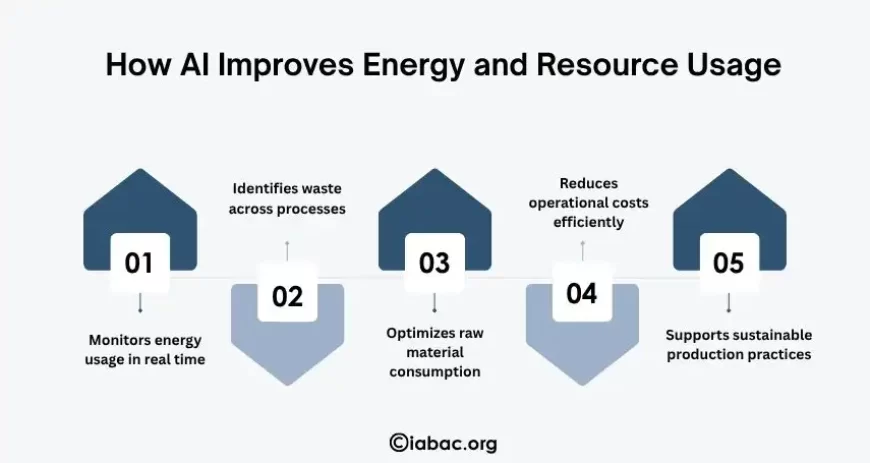
Energy and raw materials are critical resources in manufacturing. Inefficient usage increases costs and affects overall productivity.
AI helps manufacturers monitor and optimize resource consumption. By analyzing usage patterns, it identifies areas where improvements can be made.
This results in:
-
Reduced energy wastage
-
Better utilization of raw materials
-
Lower operational costs
-
More sustainable production processes
Efficient resource management directly strengthens overall efficiency.
Supports Workforce Productivity
AI enhances the way people work rather than replacing them. It takes over repetitive and time-consuming tasks, allowing workers to focus on more strategic activities.
This improves productivity by creating a more supportive work environment. Employees can rely on AI for insights and decision support.
Key improvements include the following:
-
Reduced manual workload
-
Faster access to actionable insights
-
Improved safety conditions
-
Better decision-making support
When workers are empowered with the right tools, efficiency naturally improves.
How AI Speeds Up Decision-Making
In manufacturing, delays in decision-making can lead to inefficiencies and missed opportunities. Traditional methods often rely on outdated or incomplete data.
AI enables real-time decision-making by providing accurate and up-to-date insights. This allows manufacturers to act quickly and confidently.
This leads to faster problem resolution, improved planning and forecasting, better alignment between operations and goals, and reduced dependency on manual analysis. As a result, decisions are more effective and timely.
Enables Flexible Manufacturing
Customer expectations are shifting towards customization, which can complicate production processes. Without the right systems, this can reduce efficiency.
AI makes flexible manufacturing possible by adapting processes to changing requirements. It allows manufacturers to handle variations without slowing down production.
This includes:
-
Managing smaller production batches efficiently
-
Reducing setup time between product changes
-
Maintaining consistency across customized outputs
-
Adjusting workflows dynamically
This flexibility ensures efficiency even in complex production scenarios.
Improves Inventory Management
Balancing inventory is essential for smooth operations. Excess inventory increases costs, while shortages can halt production.
AI helps maintain this balance by predicting material requirements and tracking inventory in real time. It ensures that the right resources are available when needed.
This improves efficiency by reducing excess stock, preventing shortages, improving storage utilization, supporting continuous production
Proper inventory management keeps operations stable and cost-effective.
Enhances Safety and Reduces Risks
Workplace safety has a direct impact on efficiency. Accidents and unsafe conditions can disrupt production and lead to delays.
AI improves safety by monitoring activities and identifying risks early. It provides alerts and recommendations to prevent incidents.
This helps in:
-
Reducing workplace accidents
-
Maintaining uninterrupted operations
-
Improving employee confidence
-
Ensuring compliance with safety standards
A safer environment supports consistent productivity.
Drives Continuous Improvement
One of the biggest advantages of artificial intelligence is its ability to learn and improve over time. It continuously analyzes data and refines its performance.
This means efficiency is not static; it keeps improving as the system learns.
AI enables:
-
Ongoing process optimization
-
Better predictions over time
-
Adaptation to new challenges
-
Continuous performance improvement
This long-term improvement makes AI a powerful tool for manufacturing efficiency.
How the Right Approach Maximizes Efficiency Gains
While AI offers strong benefits, the way it is implemented makes a significant difference. A structured approach ensures that AI delivers measurable results.
This involves identifying the right use cases, aligning AI with business goals, and integrating it effectively into existing systems.
With the right direction, manufacturers can:
-
Avoid unnecessary costs
-
Focus on high-impact areas
-
Achieve faster results
-
Build scalable solutions
A well-planned strategy ensures that AI delivers consistent efficiency improvements.
AI improves manufacturing efficiency by making operations more intelligent, responsive, and adaptable. It helps reduce downtime, enhance quality, optimize resources, and support better decision-making across every stage of production.
For professionals looking to apply these capabilities in real-world manufacturing environments, the Certified AI Specialist in Manufacturing certification provides the practical knowledge and skills required to implement AI-driven solutions effectively.
Businesses that take a structured approach, supported by skilled professionals, can build systems that consistently improve performance and drive long-term operational efficiency.