













































Top Benefits of Using Analytics in Business Today
Learn how using analytics in business improves decision-making, boosts efficiency, enhances customer insights, and drives overall growth and performance.


Let’s be honest — gone are the days when gut feelings and crossed fingers made big decisions. Smart businesses run on something much stronger: business analytics. Whether you're running a startup in your garage or heading a team in a big office, understanding data is the secret sauce to doing things better. From saving time and money to keeping customers happy, analytics is quietly doing all the hard work behind the scenes.
And hey, if you're serious about this field, there’s something else worth checking out — Business Analytics Certifications. (Yes, they’re like cheat codes for your career!)
Let’s dive into the fun stuff.
What Is Analytics in Business?
Think of it like this: You’ve got loads of data — numbers, clicks, sales, feedback, and probably some weird spreadsheet you don’t want to open.
Analytics in Business is just a smart way to look at all that data, figure out what’s going on, and make better decisions. It uses tools like statistics, machine learning, and logic — kind of like having a nerdy best friend who’s great at making sense of chaos.
What Can Analytics in Business Do?
Glad you asked. It can:
- Show patterns you didn’t know existed
- Help predict what might happen next
- Back up your choices with real facts
- Make customers feel like VIPs
- Save time, energy, and of course… money!
Basically, it makes you look super smart without working too hard.
Popular Analytics Types You’ll See in 2025
Here’s a peek into the future (don’t worry, no flying cars… yet):
|
Rank |
Analytics Type |
What It Does |
|
1 |
Predictive Analytics |
Tells you what’s likely to happen |
|
2 |
Prescriptive Analytics |
Suggests what you should do |
|
3 |
Augmented Analytics |
Lets AI do the boring stuff for you |
|
4 |
Real-Time Analytics |
Gives answers right now |
|
5 |
Customer Analytics |
Helps understand your buyers like best friends |
|
6 |
Supply Chain Analytics |
Fixes delivery headaches and delays |
|
7 |
Financial Analytics |
Keeps money stuff in check |
|
8 |
Workforce Analytics |
Helps keep employees happy and productive |
What Makes Up Business Analytics?
Here’s the step-by-step magic:
- Collecting Data – From apps, software, emails, and other sources.
- Cleaning It Up – Removing the mess, typos, and "oops" entries.
- Exploring It – Spotting trends like a detective.
- Using Models – Letting machine learning and algorithms do the heavy lifting.
- Telling the Story – Creating dashboards and reports that say, “Here’s what’s happening, boss!”
Why Use Analytics in Business?
Let’s break it down with simple wins:
1. Better Decisions, Less Guessing
You don’t have to flip a coin anymore. Analytics gives you the facts.
Example: A clothing brand uses data to predict which colors will be popular next season. No more shelves full of neon green shirts nobody wants.
2. Faster, Smarter Work
Analytics finds out where you're wasting time or money.
Example: A delivery company saves fuel by planning routes smarter with data.
3. Happy Customers
Personalized recommendations? Birthday emails? Yep — thank analytics.
Example: An online store shows you exactly what you were thinking about buying last night.
4. More Money In Your Pocket
Target the right audience, price your products right, and improve sales.
Example: A mobile service provider uses data to offer discounts before customers cancel — genius!
5. Spotting Risks Before They Bite
Analytics helps you avoid those “oops” moments.
Example: A bank flags a suspicious transaction before it turns into a problem.
6. Quick Strategy Updates
If something’s not working — change it fast, based on real-time info.
7. Productive Employees
Know who’s doing well, who needs help, and where to focus training.
Example: HR uses data to stop star performers from quitting.
Where Does Business Analytics Work Best?
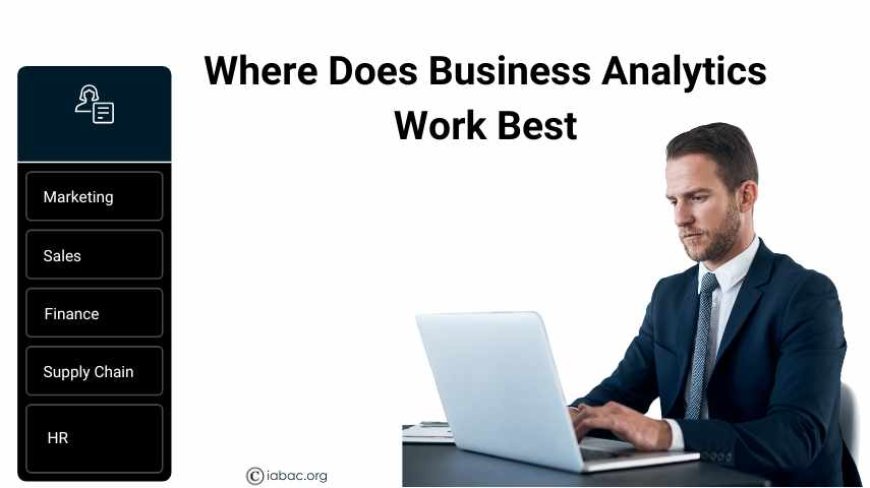
Marketing
- Segmenting users
- Sending better emails (and fewer boring ones)
- Spending ad money wisely
Sales
- Predicting who’s ready to buy
- Prioritizing hot leads
- Setting smart prices
Finance
- Budget planning
- Profit analysis
- Avoiding money mishaps
Supply Chain
- Managing stock
- Knowing what’s needed and when
- Keeping deliveries smooth
HR
- Understanding employee turnover
- Hiring smarter
- Planning future teams
Why You Should Care About Business Analytics Certifications
Now comes the career goldmine.
With businesses shouting, “We need data people!”, having Business Analytics Certifications makes you stand out. It tells employers you’re not just randomly clicking Excel — you actually know what you're doing.
Benefits:
- Shows you're skilled and serious
- Gets you interviews for better-paying jobs
- Makes your resume say, “I mean business”
- Keeps you updated with current tools and trends
What’s Taught in Business Analytics Courses?
Here’s the usual (but super helpful) stuff:
- Descriptive & Predictive Analytics
- How to create cool dashboards (Power BI, Tableau)
- Stats using R, Python
- Beginner-level machine learning
- Real projects you can talk about in interviews
Skills You’ll Need to Be a Business Analytics Star
|
Skill |
Importance |
Tools You Might Use |
|
Data Visualization |
Super High |
Power BI, Tableau |
|
Statistical Analysis |
Super High |
R, Python, Excel |
|
Data Cleaning |
Medium Fun |
SQL, Pandas |
|
Communication |
Absolutely Yes |
Reports, Slides, Emails |
|
Problem Solving |
Always Useful |
Brain + Tools |
|
Business Thinking |
Top Priority |
Industry Knowledge + Logic |
The Future of Analytics in Business
By 2025, it’s expected that most business decisions will rely on analytics. And why not? It saves time, removes the guesswork, and helps people focus on what really matters.
Trends to look out for:
- AI tools that talk back (in a good way!)
- Dashboards anyone can use
- More training for non-tech folks
- Extra focus on data privacy and doing the right thing
Analytics in Business isn’t just for nerds or big companies. It’s for anyone who wants to work smarter, make better choices, and stay ready for what’s next.
If you’re thinking about growing your career, this is a great time to get started. Look into Business Analytics Certifications, join a good course, and take the next step. Whether you’re new to data or already working in it, there’s always more to learn — and more value you can bring.
Data is powerful. And now, so are you.