














































What is the Cost of an HR Analytics Course In India
Learn about the cost of an HR Analytics course, factors influencing pricing, and options for affordable courses in this growing field.


When I first started looking into HR Analytics, I was curious about how much an HR Analytics Course would cost. As someone always interested in improving my skills, I spent some time researching HR Analytics and various Data Analytics Certifications. What I found is that the cost of these courses can vary greatly, depending on factors like the provider, the course content, and whether it includes certification. In this blog, I’ll share my journey and what I learned about the costs involved in taking an HR Analytics Course and why it’s a great investment for your career.
Cost of HR Analytics Courses in India
The cost of an HR Analytics course in India can range from affordable short-term programs to high-end executive education. Here's a breakdown of the typical costs:
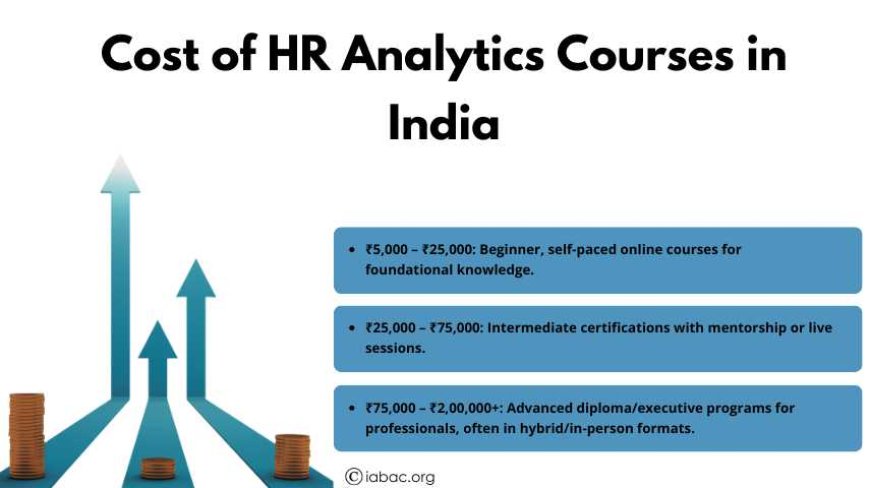
- ₹5,000 – ₹25,000: These are typically short, beginner-friendly online courses that are often self-paced. Ideal for individuals exploring a new domain or building foundational knowledge.
- ₹25,000 – ₹75,000: This range generally includes intermediate-level certification programs offered by reputed educational platforms or institutions. These courses are more structured and often include mentorship or live sessions.
- ₹75,000 – ₹2,00,000+: These are advanced diploma or executive-level programs provided by prestigious universities and institutes. They are often delivered in hybrid or in-person formats and cater to professionals looking to upskill or transition into leadership roles.
Factors That Affect the Cost
Several factors determine the cost of an HR Analytics course:
- Provider: Whether an international institution or an Indian provider offers the course.
- Duration: Some courses last a few weeks, while others can extend for months.
- Level: The course can range from beginner to advanced, with more in-depth courses costing more.
- Mode of Study: Whether it’s online, self-paced, or in-person with live sessions.
- Certification: Some courses offer recognized certifications, which can add to the cost.
Understanding HR Analytics
HR Analytics, also called People Analytics, is all about using data to improve HR functions like recruitment, retention, employee performance, and overall workforce planning. This data-driven approach helps HR departments make smarter decisions, leading to better organizational performance. If you’re working in HR or want to transition into the field, learning about HR Analytics can be a great way to boost your career.
Why Choose an HR Analytics Course?
Taking an HR Analytics Course can help HR professionals shift from relying on intuition to making decisions based on data and evidence. Some of the core topics you can expect to learn in an HR Analytics Course include:
- Data collection and cleaning for HR-specific data
- Key metrics for recruitment, retention, and employee engagement
- Predictive analytics to forecast workforce needs
- Tools like Excel, Power BI, and Python for analyzing HR data
- How to present data in a clear and impactful way for decision-making
By gaining these skills, HR professionals can better align talent strategies with business goals, leading to improved organizational performance.
Become a Certified HR Analytics Professional
If you're looking to get certified, the IABAC HR Analytics Course offers a globally recognized certification for HR professionals. This program is known for its strong focus on real-world applications and industry relevance. Whether you're just starting out in HR Analytics or are looking to sharpen your skills, the certification from IABAC is a great way to demonstrate your expertise in the field.
Benefits of an HR Analytics Certification from IABAC:
- Global Recognition: The certification from IABAC is recognized worldwide, which can help increase your career opportunities in global markets.
- Career Growth: HR professionals with HR Analytics skills are in demand. This certification can help you land roles like People Analyst, Workforce Planner, or HR Strategy Consultant.
- Better Decision-Making: With advanced knowledge of HR Analytics, you’ll be able to make data-backed decisions that improve hiring, employee satisfaction, and retention.
- Align HR with Business Goals: Understanding how to use data effectively in HR can help ensure your strategies are in line with the broader business objectives, enhancing organizational performance.
Who Should Consider an HR Analytics Course?
An HR Analytics Course is suitable for a wide range of individuals, including:
- HR professionals looking to enhance their data skills
- Business managers who want to improve workforce planning
- Analysts who want to specialize in HR-related data
- Students or graduates interested in starting a career in HR Analytics
Whether you’re just starting out or already in a leadership role, learning about HR Analytics can give you a competitive edge in the HR field.
What Qualifications Do You Need for an HR Analytics Course?
If you’re a student or professional curious about HR Analytics, you might be wondering what qualifications are necessary to take an HR Analytics Course. The good news is that you don’t need to have a technical background or years of experience. Here’s what you need to get started:
1. Educational Background
While a background in HR, business, or data science can help, you don’t need a specific degree to begin an HR Analytics Course. Some relevant fields include:
- Human Resource Management
- Business Administration or Commerce
- Data Science, Statistics, or Information Technology
- Psychology or Sociology (if you’re interested in workplace behavior)
Even if you don’t have a formal HR background, many courses welcome learners from other fields who are interested in people management and analytics.
2. Basic Computer Skills
You don’t need to be an expert in coding, but you should be comfortable using basic tools like:
- Microsoft Excel or Google Sheets: Working with data tables, formulas, and charts.
- Online tools: Familiarity with dashboards and other workplace software might also be helpful.
Some advanced courses may teach tools like Power BI, Python, or R, but these will typically start with beginner-friendly lessons.
3. Interest in People and Data
A good HR Analytics professional is curious about people and enjoys analyzing data. You should be interested in understanding how employee behavior impacts the workplace, how to improve employee engagement, and how data can help make better HR decisions.
4. Soft Skills
While technical skills are key, soft skills are also important. These include:
- Analytical thinking: The ability to dig deeper into trends and patterns.
- Attention to detail: Identifying data issues or key insights.
- Communication: Explaining complex data findings in simple terms.
- Teamwork: Working with HR teams, managers, and other professionals.
5. No Prior Experience Needed
One of the best things about HR Analytics Courses is that no prior experience is required. If you have the motivation to learn and the willingness to apply your knowledge, you can enroll in many of these courses, even as a student or recent graduate.
Why Students Should Consider an HR Analytics Course
As a student, an HR Analytics Course can give your resume a big boost and open doors to exciting career opportunities. Here’s why it’s a great idea to consider:
- Stand Out in the Job Market: HR professionals with data analytics skills are in high demand.
- Real-World Learning: You’ll gain practical knowledge on how to solve actual HR problems using data.
- Versatile Career Paths: An HR Analytics Course can lead to roles in HR, business strategy, consulting, and data analytics.
- Certification Value: Getting a certification from IABAC or another recognized provider can significantly enhance your job prospects.
If you're interested in how data is shaping the future of HR, an HR Analytics Course is a smart choice for your career. You don't have to wait until graduation to get started—many programs are designed for students and recent graduates. With the right skills and certification, you can start building your career in HR Analytics today!