



















































How to Switch Careers Into Data Science With a Certification
How to switch careers into data science with a certification. Explore skills, career paths, and steps to start your journey in 2026.


If you're trying to figure out how to switch careers into data science with a certification, the first obstacle usually isn't capability, it's the noise. Many career changers report stalling not because they lack aptitude, but because they're confronted with dozens of conflicting learning paths and the persistent myth that a master's degree is a prerequisite. Neither holds up under scrutiny, but the confusion is real enough to stop good candidates before they start. This guide cuts through that noise with a structured, competency-mapped pathway from skill audit to job offer.
Certifications have changed the reskilling-for-data-science equation significantly. Instead of spending four years in a classroom, working professionals can now follow a structured pathway that validates real skills against global industry standards. IABAC, the International Association of Business Analytics Certification, offers credentials aligned with the EU EDISON Data Science Framework, making it possible to earn an internationally recognized data science credential without a computer science degree. That's a meaningful shift for anyone making a mid-career pivot to data science.
This guide walks through every stage of that transition: auditing your current skills, choosing the right credential, building a portfolio that generates callbacks, and executing a job search designed for professionals who are arriving from a different field.
Run a skill gap analysis before you register for anything
What data science actually requires at the entry level?
Hiring managers at the entry level test for four core skill areas: SQL and Python for data wrangling, statistics for interpretation, machine learning fundamentals for modeling, and business communication for translating findings into decisions. Not every role requires all four equally. A data analyst role leans heavily on SQL, Excel, and visualization. A junior data scientist role needs stronger ML fundamentals and Python fluency. Knowing which role you're targeting changes what you need to learn first.
How to audit what you already have?
Run an honest self-assessment against each skill area. Rate your proficiency, identify the gaps, and, just as importantly, name your transferable strengths. Professionals coming from finance, healthcare, or marketing often already have strong analytical thinking, domain context, and stakeholder communication skills. They're further along than they realize. The goal isn't to start from zero; it's to identify the shortest path from where you are to where you need to be.
Using a competency framework as your checklist
Structured frameworks like the EU EDISON Data Science Framework define exactly what a qualified data professional should demonstrate across beginner, practitioner, and specialist levels, covering analytics, engineering, data management, domain knowledge, and scientific methods. Certifications built on this framework give you a clear benchmark rather than a moving target. When your study plan maps to a recognized competency standard, every hour of learning has a defined purpose.
How to switch careers into data science with a certification?: choosing the right credential
What separates a credential that signals competence from one that doesn't?
There's a meaningful difference between a course-completion badge from a self-paced platform and an assessment-based credential with proctored exams. Both have their place, but hiring trends in 2026 show employers increasingly screening for verified ability, not just completed coursework. A certificate that proves you watched videos doesn't carry the same hiring signal as one that proves you passed a rigorous evaluation of your competency.
Why framework-aligned certifications carry more weight?
Certifications built on a recognized competency standard are often perceived by employers as more durable and globally portable than vendor-specific credentials. IABAC's Certified Data Scientist (CDS) credential is built on the EU EDISON Data Science Framework, providing internationally recognized, standards-based competency mapping that is valued by multinational employers and by professionals who need a credential that travels beyond a single job market. Learn more: Career & Certification, IABAC. Other options, including IBM and Google credentials, serve specific purposes well, particularly for entry-level signaling and tool familiarity, but they are structured differently from framework-aligned credentials like IABAC's, which are designed for professionals who need standards-based validation of broad data science competency. For a broader comparative roundup of market-recognized certifications, see CIO's list of data science certifications.
The bootcamp vs. certification debate
Bootcamps typically run between $7,000 and $18,000 over three to nine months, depending on the provider and location. Certification programs typically cost $200 to $700 and can be completed in three to six months at a part-time pace of about 10 to 15 hours per week. For a working professional managing a full-time job, a mortgage, and competing priorities, the math strongly favors certifications. You get a verifiable credential and enough budget left over to build the tools and portfolio that actually get you hired.
A month-by-month roadmap to becoming job-ready
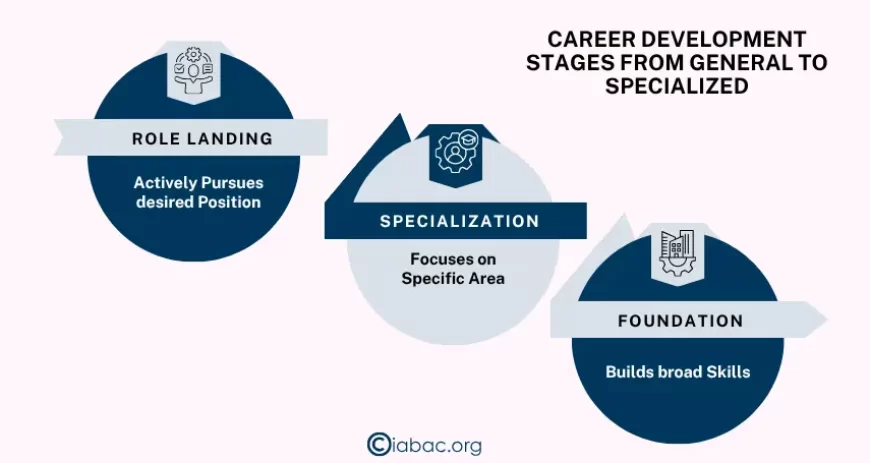
Months 1 to 3: building the foundation
Focus on Python basics, SQL for data wrangling, Excel, foundational statistics, and simple data visualization with matplotlib or Tableau. The milestone for this phase is completing one starter certification and publishing two to three small portfolio projects on GitHub. By the end of month three, you should be able to clean a dataset, write SQL queries with joins and aggregations, and explain findings in plain language. That's your first credibility marker, visible to employers and meaningful to yourself. Consider well-known credential options such as Coursera Data Science Certificate programs when choosing your starter certification.
Months 4 to 6: reaching analyst-ready status
Expand into supervised machine learning (regression, classification, decision trees), A/B testing fundamentals, and business metrics like churn and cohort analysis. Complete a second certification or specialization during this phase, and start applying actively to junior analyst and business intelligence roles. Your portfolio should reach four to six projects, your LinkedIn profile and resume should be polished, and your first job applications should be submitted. At this point, data analyst roles are realistic targets.
Months 7 to 12: specializing and landing the role
Deepen your ML knowledge, build one strong end-to-end capstone project, and consider a domain-specific credential aligned to your target industry. The focus shifts from learning to interviewing: SQL interview practice, behavioral framing of your career change story, and active participation in data communities on LinkedIn and Slack. By month 12, you should have six to eight portfolio projects, one to two certifications, and be actively interviewing for entry-level roles.
How to switch careers into data science with a certification: portfolio projects that matter
The core project mix that signals job-readiness
Hiring managers want to see a rounded portfolio, not ten similar Kaggle notebooks. A strong entry-level portfolio includes a data cleaning project, an exploratory data analysis with clear business insights, a supervised ML project end to end, a dashboard or visualization-focused piece, a domain-specific project tied to your target industry, and one end-to-end capstone with original data. Depth on five to six strong projects beats breadth on ten shallow ones every time. Each project should have a polished README, clean code, and a clear explanation of the business problem being solved. For project ideas and structure, see Dataquest's guide to data science projects and portfolios.
Turning your career change story into a portfolio advantage
Career changers have a hidden edge that fresh graduates simply don't: domain expertise. A former nurse building a healthcare readmission prediction model brings authentic clinical context to that project. A finance analyst building a credit risk classifier understands the business stakes behind every model decision. Frame each project with a business problem statement, not just a technical description. That shift in framing separates portfolios that get callbacks from ones that get passed over.
Your domain background is a data science hiring asset, not baggage
Why do hiring managers value prior industry experience alongside technical skills?
Career changers who pair certification with a strong portfolio routinely compete with, and beat, CS degree holders for practical data roles. Prior domain experience gives hiring managers confidence that a candidate understands the business problem, not just the model. A data scientist who knows why a metric matters to the business is far more valuable than one who can only describe how the algorithm works. Your years in your previous field are not wasted; they're context.
How domain-specific certifications create a sharper hiring signal?
Rather than positioning yourself as a generic "entry-level data scientist," career changers can differentiate by earning domain-aligned credentials. IABAC offers industry-vertical certifications across Healthcare, Finance, HR, Marketing, Manufacturing, and more, allowing professionals to validate AI and analytics expertise specifically within their existing industry context. A healthcare professional holding an IABAC Healthcare Analytics credential signals far more to a hospital system hiring data talent than a generic course certificate does. That specificity is what turns an application from a long shot into a competitive one. Learn more: Careers & Certification, IABAC.
Positioning your career change story clearly in applications
In resumes and cover letters, frame prior experience as contextual expertise, not irrelevant history. In interviews, prepare a 60-second career bridge narrative: what you did before, why data science is the natural progression, and what your certification and portfolio demonstrate about your readiness. Keep it forward-looking. Hiring managers are not interested in why you're leaving your old career; they're interested in why you're the right fit for this one.
How to run a focused job search as a career changer?
Target the right entry-level job titles first
Career changers who apply for "Data Scientist" roles immediately often stall in the process. The smarter entry points are Data Analyst, Reporting Analyst, Business Intelligence Analyst, Operations Analyst, and Junior Data Scientist roles at smaller firms. These positions build the one to two years of official data experience that opens doors to mid-level positions far faster than holding out for a senior title that requires experience you haven't accumulated yet. Starting in the right lane wins the race. For more on practical role pathways, see Career Opportunities in Data Science: Pathway, IABAC.
Where and how to search effectively?
Optimize your LinkedIn headline around your certification, target industry, and the role type you're pursuing. Recruiters search keywords like "certified data analyst" or "SQL data analyst," not "career changer." Your prior industry network is also more valuable than most people use it. A former operations manager applying internally at their current employer, armed with a new data certification, has a significant advantage over external candidates, because organizational trust and context are things a stranger cannot manufacture.
Converting certification credibility into interview confidence
Employers respond to candidates who can explain what a certification validates, not just confirm they completed it. Be ready to discuss the competency framework behind your credential. If you hold an IABAC certification aligned to the EU EDISON standard, you can speak to being assessed against a globally recognized benchmark covering analytics, data management, engineering, and domain competency. That level of specificity tells an interviewer that your credential has substance behind it, and that you understand what you actually know.
The path forward starts with a single honest audit
Switching careers into data science through certification is a highly structured professional transition, and in 2026, it's more achievable than most people assume. The field rewards demonstrated competency, and demonstrated competency is exactly what a rigorous, framework-aligned credential provides.
The sequence is four steps. First, audit your current skills against a recognized competency framework. Second, choose a credential that validates your ability to a global standard. IABAC's EDISON-aligned certifications are among the most portable options for professionals who want that kind of standards-based recognition. Third, build a focused portfolio that leads with business context. Fourth, enter the job market through the right entry-level titles rather than reaching for roles that require experience you'll earn over the next two years. You can compare options like DASCA data science certifications as you evaluate the market.
Start the skill gap analysis today. Map what you have against what each target role actually requires, and identify the two or three specific gaps that a certification roadmap can close. That single honest step is where every successful career pivot to data science begins, and everything else in this guide builds from it.